Table of Contents
What is FUE Hair Transplantation?
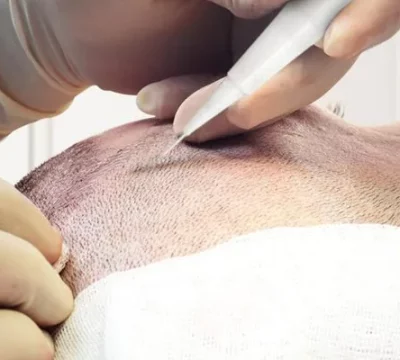
FUE hair transplantation is a method of removing hair follicles one by one and transplanting them to areas with balding or sparse hair. In this technique, hair follicles are taken from the donor area using a special micro motor or a manual punch tool and transplanted to the recipient area through micro incisions. The FUE method allows hair follicles to be removed and transplanted without damaging their natural structure, thus achieving a more natural and aesthetic result. This method is generally considered a minimally invasive procedure and recovery time is shorter than other techniques.
How Much Does FUE Hair Transplant in Turkey Cost?
This cost often includes the initial consultation, the procedure itself, post-operative care, and sometimes accommodation and transportation. The affordability and comprehensive packages offered by Turkish clinics make FUE hair transplant accessible to a wide range of patients.
For a broader understanding of treatment expenses, patients can explore our guide to hair transplant costs and packages in Turkey. It explains general pricing, graft requirements, available techniques, and factors that may influence the final treatment quotation. Comparing these details can help patients better understand their options before requesting an individual assessment.
Advantages of FUE Hair Transplantation
FUE (Follicular Unit Extraction) is a widely used hair transplantation technique that allows individual follicular units to be extracted from the donor area without removing a strip of scalp tissue. One of its main advantages is that it does not create the long linear scar associated with traditional FUT procedures. However, small dot-like scars can remain in the donor area, and their visibility depends on individual healing and hair length.
FUE hair transplantation can be considered for both men and women with suitable hair loss patterns and sufficient donor hair. The technique allows the medical team to plan graft distribution, hairline design, and recipient-area coverage according to the patient’s existing hair characteristics. The final appearance depends on careful surgical planning, donor hair availability, and individual healing.
Recovery after FUE is generally manageable, although temporary redness, swelling, tenderness, and small crusts may occur. Patients should follow their medical team’s aftercare instructions and understand that complete healing and visible hair growth take time.
At Aslı Tarcan in Istanbul, patients considering FUE hair transplantation can request an individual assessment to discuss their treatment options, expected outcomes, and recovery requirements.
How Is FUE Different from Other Hair Transplant Techniques?
FUE (Follicular Unit Extraction) differs from other hair transplantation techniques primarily in how hair follicles are collected from the donor area. Unlike FUT (Follicular Unit Transplantation), which involves removing a strip of scalp tissue, FUE extracts individual follicular units using small surgical punches. This approach avoids the long linear scar associated with FUT, although small circular scars may remain at the extraction sites.
Another important distinction involves the implantation process. FUE describes the method of extracting follicles, while DHI (Direct Hair Implantation) refers to a technique that uses a specialized implanter pen for graft placement. These approaches are not necessarily alternatives, as follicles extracted through FUE can also be implanted using DHI techniques.
Recovery time, donor area management, and the final appearance vary depending on the patient’s hair characteristics, the number of grafts, surgical planning, and individual healing. Neither FUE nor DHI guarantees scar-free treatment or superior results for every patient.
At Aslı Tarcan in Istanbul, patients considering hair transplantation can request an individual assessment to compare available techniques, understand their advantages and limitations, and determine an appropriate treatment plan.
FUE Hair Transplantation Painful?
FUE hair transplantation is generally performed under local anesthesia to minimize pain during the procedure. Patients may experience temporary discomfort or a stinging sensation when the anesthetic is administered. Once the area becomes numb, most patients experience limited pain, although pressure, movement, or other sensations may still be noticeable.
After the procedure, mild tenderness, swelling, redness, or tightness may occur in the donor and recipient areas. These symptoms usually improve during the early recovery period, but the level and duration of discomfort vary between patients.
Pain management and aftercare instructions should be provided by the medical team based on each patient’s condition. Patients should follow their prescribed care plan and contact their healthcare provider if they experience severe pain, increasing swelling, fever, or other concerning symptoms.
At Aslı Tarcan in Istanbul, patients considering FUE hair transplantation can discuss anesthesia, expected discomfort, recovery requirements, and potential risks during their individual consultation.
What are the complications and risks?
FUE hair transplantation is generally considered a safe procedure, but as with any surgical procedure, it carries some complications and risks. One of the most common complications is infection. This risk is minimized by using a sterile surgical environment and following post-procedure care instructions. There may be slight bleeding during or after the procedure, but this usually stops soon. After the procedure, swelling, redness and crusting may occur on the scalp. These symptoms are normal and usually go away within a few days. Rarely, some of the transplanted hair follicles may not be able to adhere because they are not nourished enough, which may lead to a decrease in hair density. Some patients may experience irregular hair growth or minimal scars in the donor area. Complications such as nerve damage, long-term pain or loss of sensation may also occur rarely. To reduce the risk of complications, it is important for patients to follow all the doctor’s recommendations and care instructions and carefully monitor the healing process. If any signs of complications occur, a doctor should be consulted immediately.
How Long Does FUE Hair Transplantation Take to Heal?
Most patients experience noticeable scalp healing within 7 to 14 days after FUE hair transplantation, although complete recovery and new hair growth take considerably longer. Recovery time depends on individual healing, the number of grafts transplanted, and the aftercare instructions provided by the medical team.
The First 7–14 Days After FUE
During the first few days, temporary redness, swelling, tenderness, and small crusts may develop in the donor and recipient areas. These symptoms generally improve as the scalp heals. Patients should avoid rubbing or scratching the transplanted area and follow their clinic’s washing instructions.
Some patients may return to desk-based work within several days, while others require one to two weeks away from work. Strenuous exercise and activities that could injure the scalp should be avoided until the medical team confirms they are appropriate.
Hair Shedding and New Growth
Temporary shedding of transplanted hairs commonly occurs within the first two to eight weeks. This process does not necessarily indicate treatment failure, as the transplanted follicles may remain in place while the visible hair shafts shed.
New hair growth typically begins around three to four months after the procedure. Improvements in density and coverage become more noticeable over the following months, while final results may take approximately 12 to 18 months to develop.
Recovery and Aftercare at Aslı Tarcan
At Aslı Tarcan in Istanbul, patients considering FUE hair transplantation can discuss recovery expectations, scalp care, follow-up appointments, and potential complications during their consultation.
Healing and hair growth vary between individuals. Patients should contact their healthcare provider if they experience severe pain, fever, increasing redness, unusual discharge, or other concerning symptoms after treatment.
Things to Consider Before Surgery
Before FUE hair transplantation, there are some important preparations and points to consider in order to achieve a successful result. First, it is recommended to stop drinking alcohol and smoking at least a week before the procedure, as these substances can negatively affect blood flow and slow down the healing process. Likewise, if blood thinners and supplements are used, these may need to be stopped before the procedure. However, the decision to discontinue any medication or supplement should always be made in consultation with a doctor. It is important to keep the scalp clean and the hair free of natural oils a few days before the procedure. Special shampoos or cleansers prescribed by the doctor can be used. Additionally, it is important to wear comfortable and loose-fitting clothes on the day of the procedure to avoid damaging the scalp. Getting a good night’s sleep before the procedure and coming in rested will ensure comfort during and after the procedure. All these preparations both increase the success of the procedure and accelerate the healing process.
Technologies Used in FUE Hair Transplantation Method
The technologies used in the FUE hair transplantation method are designed to provide high precision and efficiency during the acquisition and transplantation of hair follicles. Micro motors or manual punch tools used during the procedure ensure that hair follicles are removed from the donor area one by one and without any damage. While micro motors extract hair follicles with small tips rotating at high speed, manual punch tools extract the follicles based on the surgeon’s dexterity. After the hair follicles are removed, special micro cannulas or Choi implanter pens are used for transplantation. These tools enable hair follicles to be placed in the recipient area at the correct angle and depth, making it possible to achieve a natural appearance.
Choi implanter pens are a special device that can collect and transplant hair follicles simultaneously. This technology minimizes the time the hair follicles stay in the external environment, protects the health of the follicles and ensures successful transplantation. Additionally, using digital planning tools, the distribution and density of the hair follicles to be transplanted are determined in advance. This makes the process more controlled and predictable. Micromotors used to extract hair follicles in the donor area work with a minimally invasive approach and do not require large incisions or stitches, which shortens the recovery time after the procedure.
The technologies used during FUE hair transplantation increase the sensitivity of the procedure and make the results look natural. Advanced equipment and digital planning tools allow the surgeon to perform hair transplantation more effectively and safely. These technologies make the FUE hair transplantation method more advantageous than other techniques and provide aesthetically pleasing results. As a result, FUE hair transplantation is a preferred method for people considering hair transplantation with its minimally invasive nature, fast recovery time and high success rate.
FUE Hair Transplantation Prices 2026
Generally, situations where more hair follicles need to be transplanted and treatment of larger areas may increase the cost. Additionally, the technologies used and additional services may also affect prices. For example, when using advanced digital planning tools or specialized equipment such as Choi implanter pens, the cost may increase.
FUE hair transplantation can generally be more expensive than other hair transplantation methods, but considering the advantages and natural results it offers, it can justify the cost. In popular destinations for hair transplantation such as Türkiye, high quality services can be offered at more affordable prices. It is predicted that FUE hair transplantation prices may vary between 1,500 and 6,000 dollars on average in 2026. However, it is important for patients to consider not only the cost, but also the reputation of the clinic and doctor, success rates, and patient satisfaction to achieve the best results. People considering FUE hair transplantation are recommended to evaluate the most suitable option by obtaining price quotes from various clinics and doing extensive research.
Frequently Asked Questions
Disadvantages of FUE Hair Transplantation
Although FUE (Follicular Unit Extraction) hair transplantation method has many advantages, it also has some disadvantages. First of all, the FUE method is a very time-consuming process. Since hair follicles must be taken one by one and placed in the area to be transplanted, the procedure may take a long time. This situation may require more than one session, especially in cases where large areas need to be transplanted, and this may strain the patient’s time and patience.
Another disadvantage is the decrease in hair density in the donor area during and after the procedure. Since hair follicles are removed one by one, the density of the remaining hair in the donor area may decrease, which may lead to an aesthetically unpleasant appearance. This situation may become more obvious, especially in people whose hair density is already low.
In the FUE method, while hair follicles are removed with micro motor or manual punch tools, small holes are created around the hair follicles in the donor area. As these holes heal, they may leave scars in the form of small white dots. Usually these scars become invisible when the hair grows, but in some patients they can be permanent and aesthetically disturbing.
FUE hair transplantation method is highly dependent on the skill and experience of the surgeon. Procedures performed by an inexperienced surgeon may not produce the desired results and may cause the transplanted hair to look unnatural. Therefore, it is of great importance for people who are considering FUE hair transplantation to choose an experienced and specialist surgeon.
Finally, the FUE method may be more costly than other hair transplantation methods. Factors such as the technology used, procedure time, and surgeon expertise may increase the cost of FUE hair transplantation. This may be a disadvantage for patients with limited budgets . However, obtaining natural and aesthetic results in the long run may justify this cost.
Is DHI or FUE Better?
DHI (Direct Hair Implantation) and FUE (Follicular Unit Extraction) hair transplantation methods are both widely used techniques in hair transplantation and offer effective results. However, there are some important differences between them and these should be taken into account when deciding which method is more appropriate.
The FUE method is based on the principle of removing hair follicles one by one using micro motor or manual punch tools and placing them in the recipient area. This method does not require large incisions or stitches in the donor area, so the risk of scarring is minimal and recovery time is usually shorter. FUE is advantageous when hair transplantation is required in large areas and provides natural-looking results. Additionally, it offers high sensitivity in the process of harvesting and transplanting hair follicles.
The DHI method allows hair follicles to be placed directly into the recipient area using a special pen (Choi implanter). In the DHI method, hair follicles are transplanted immediately after collection, which minimizes the time the follicles remain in the external environment and provides healthier hair growth. The DHI method offers more precise and controlled transplantation and helps preserve the natural growth angle of the hair. This method is especially effective in defining hairlines and increasing density. DHI reduces the risk of damage to hair follicles during transplantation, resulting in a higher success rate.
Which method is better depends on the patient’s specific needs, the degree of hair loss, and the doctor’s recommendations. The FUE method is advantageous in treating large areas and providing a faster recovery process. On the other hand, the DHI method can be preferred in cases requiring more intense and controlled transplantation and is effective in preserving the natural hair growth angle.
Both methods can offer natural and aesthetic results. In order to choose the method that best suits their expectations and needs, it is important for patients to undergo a detailed evaluation with a specialist doctor and carefully consider the advantages and disadvantages of both methods.
Can FUE Hair Transplant Fail?
While FUE hair transplants are generally successful, there is a possibility of failure, as with any medical procedure. Factors that can contribute to failure include poor surgical technique, improper post-operative care, and individual patient factors such as underlying health conditions or unrealistic expectations. Choosing a reputable clinic with experienced surgeons and following all aftercare instructions can significantly reduce the risk of failure.
What is the Disadvantage of FUE?
One of the main disadvantages of FUE is that it can be more time-consuming compared to other hair transplant methods, especially when a large number of grafts are needed. The procedure involves extracting individual hair follicles, which can take several hours or even multiple sessions. Additionally, FUE may result in small, circular scars in the donor area, although these are generally less noticeable than the linear scars associated with older methods like FUT (Follicular Unit Transplantation). Another potential disadvantage is that the procedure can be expensive in countries other than Turkey, but Turkey offers a cost-effective solution without compromising quality.