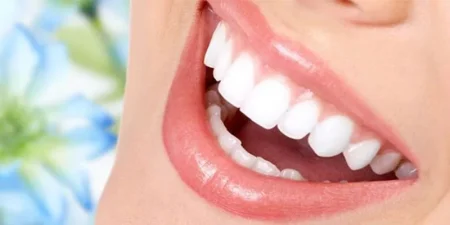
Porcelain Veneer Turkey treatments are a popular choice for patients who want a brighter, more symmetrical smile with a natural-looking finish. Porcelain veneers are thin ceramic shells bonded to the front of the teeth to improve color, shape, and overall balance. They are often preferred for stubborn stains, small gaps, mild chips, worn edges, and uneven tooth proportions.
Porcelain Veneer Turkey is also attractive for international patients because many clinics combine detailed smile planning with efficient scheduling. Digital scans, photos, and lab coordination help customize veneer shade, thickness, and translucency for a more natural result. With proper planning and aftercare, porcelain veneers can provide long-lasting cosmetic improvement.
Table of Contents
What Are Porcelain Veneers and How Are They Applied in Turkey?
Porcelain veneers are thin ceramic shells placed on the front surface of teeth to improve color, shape, size, and symmetry. They are often chosen for discoloration that does not respond to whitening, small gaps, mild chips, worn edges, and uneven tooth proportions. Because porcelain reflects light similarly to natural enamel, it can create a bright yet realistic appearance when designed carefully.
In Turkey, porcelain veneers are usually applied through a structured cosmetic process that starts with checking tooth health, gum condition, and bite balance. Clinics often use digital scans and photos to plan smile proportions before treatment begins. Minimal reshaping may be done if needed, followed by lab fabrication, try-in, final bonding, and bite adjustment.
Why Choose Turkey for Porcelain Veneer Treatment?
Many patients choose Turkey for porcelain veneer treatment because clinics often combine advanced cosmetic planning with efficient scheduling for international visitors. Digital smile design, detailed photography, and coordinated lab work can make the process more predictable and help patients understand the expected result before treatment.
Another reason is that many clinics offer comprehensive cosmetic care in one place. This can be useful when veneer treatment is combined with gum contouring, whitening, or bite adjustments. Clinics that frequently treat international patients also tend to provide clear communication and organized aftercare planning.
Porcelain vs. Composite Veneers: Which One Is Better?
Porcelain veneers are often preferred for their long-term aesthetics, stain resistance, and enamel-like finish. Because they are made in a lab, they can be customized with more natural translucency and texture. They are usually chosen by patients who want a refined, longer-lasting cosmetic result.
Composite veneers are applied directly in the clinic and can be a quicker, more conservative option for smaller changes. They are easier to repair and may require less preparation, but they are more likely to stain or wear over time. The better choice depends on your goals, bite, and expectations for longevity.
Who Is an Ideal Candidate for Porcelain Veneers?
Porcelain veneers are best suited for patients who want cosmetic improvement and have a healthy oral foundation for long-term bonding.
People with healthy gums and no untreated decay who want a cosmetic upgrade
Patients with discoloration that does not respond well to whitening
Individuals with chips, worn edges, minor gaps, or uneven tooth shape
People with mild alignment concerns who want an aesthetic solution rather than orthodontics
Patients without severe grinding, or those willing to protect veneers with a night guard
Individuals with realistic expectations about shade, tooth proportions, and natural aesthetics
Step-by-Step Porcelain Veneer Procedure in Turkey
Porcelain veneer treatment is usually completed in planned stages so both appearance and function can be controlled carefully.
- Consultation and evaluation of tooth health, gum condition, bite, and cosmetic goals
- Digital scans, photos, and measurements to plan smile line, proportions, and symmetry
- Shade and design planning including translucency and brightness preferences
- Tooth preparation to create space for a natural veneer profile
- Impressions or scan transfer to the lab for custom fabrication
- Temporary veneers if needed
- Try-in appointment to confirm fit, shade, symmetry, and comfort
- Final bonding using precise adhesive protocols
- Bite adjustment and polishing
- Aftercare guidance and follow-up planning
How Long Do Porcelain Veneers Last?
Porcelain veneers can last many years when they are properly designed, bonded, and maintained. Their longevity depends on bite forces, oral hygiene, and regular dental care. Professional cleanings and check-ups help protect veneer margins and maintain healthy gums.
Daily habits also affect durability. Biting hard objects, using teeth as tools, and grinding can increase the risk of chipping or debonding. Patients who clench or grind may still be suitable candidates, but a night guard is often recommended for protection.
Do Porcelain Veneers Look Natural?
Porcelain veneers can look very natural because porcelain has enamel-like translucency and reflects light realistically. This is especially important for front teeth, where overly opaque materials can look artificial. When shape, texture, and edge detail are planned well, veneers can blend smoothly into the smile.
Natural results depend on careful planning, not just the material itself. Shade selection should suit the patient’s skin tone and surrounding teeth, and tooth shape should match facial proportions. When gum line, tooth length, and bite are considered together, veneers can look balanced and refined.
Custom Smile Design with Porcelain Veneers
Custom smile design uses photos, measurements, and digital tools to create veneers that match the patient’s face and smile dynamics. Instead of using a generic look, this process focuses on tooth proportions, midline, smile arc, and visible tooth display. This helps create a more natural and harmonious result.
In many Turkish clinics, smile design may also include a digital preview or temporary mock-up before final production. This allows the patient to comment on details like shape, brightness, and tooth length. Combined with careful lab work, this approach supports a more personalized result.
Are Porcelain Veneers Safe for Sensitive Teeth?
Porcelain veneers can be safe for sensitive teeth, but it depends on the cause of the sensitivity and how conservatively the teeth are prepared. If sensitivity comes from thin enamel, gum recession, or exposed dentin, the treatment plan must be made carefully. In some cases, gum or enamel-related problems may need to be addressed first.
Temporary veneers can help protect prepared teeth and reduce discomfort before final placement. After bonding, sensitivity may improve because the veneer seals the tooth surface. Proper bite adjustment is also important, since pressure points can cause ongoing discomfort if not corrected.
Temporary Veneers: What to Expect Before Final Placement
Temporary veneers are often placed after tooth preparation to protect the teeth, reduce sensitivity, and maintain appearance while the final veneers are being made. They also give the patient an idea of the proposed shape and length, although they are not as polished or precise as the final restorations.
They can also be useful for checking design preferences before final bonding. If the teeth seem too long, too short, or not quite right in shape, changes can still be made at this stage. Clinics may also assess bite comfort with temporaries to reduce stress on the final veneers later.
Aftercare Tips to Extend the Life of Your Veneers
Good aftercare helps protect the veneer edges, preserve the porcelain surface, and support long-term gum health.
- Brush twice daily with a non-abrasive toothpaste
- Floss daily to keep veneer edges clean
- Avoid biting hard objects like ice or pens
- Use a night guard if you grind or clench
- Schedule regular dental check-ups and cleanings
- Seek early evaluation if you notice roughness, bite changes, or sensitivity
Can Porcelain Veneers Fix Crooked or Gapped Teeth?
Porcelain veneers can visually improve mild crookedness and small gaps by changing the shape and width of the teeth. This can create the appearance of a straighter, more even smile without moving the teeth. It is often chosen by patients who want a quicker cosmetic change.
However, veneers have limits. In moderate or severe crowding, rotation, or bite problems, orthodontic treatment may be a better long-term option because it corrects the actual tooth position. In some cases, orthodontics and veneers are combined for the best final result.
Porcelain Veneers for a Full Smile Makeover in Turkey
Porcelain veneers are often a central part of a full smile makeover because they can improve brightness, symmetry, and tooth proportions in a controlled way. Veneers may also be combined with whitening, gum contouring, or bonding to create a more complete and balanced smile.
In Turkey, clinics often plan full smile makeovers in stages to improve predictability and reduce risk. Bite issues or gum concerns are usually addressed before final veneer bonding. When planned carefully, the result can look natural, balanced, and comfortable in daily life.
Porcelain Veneer Turkey Prices 2026
Porcelain Veneer Turkey prices in 2026 can vary depending on the number of teeth treated, the complexity of the smile design, and the condition of the teeth and gums. Extra procedures such as temporary veneers, gum contouring, or bite refinements may also affect the overall treatment scope.
Clinic location, dentist experience, lab quality, and planning technology can also influence the final cost. Because veneer treatment is highly personalized, reputable clinics usually provide a custom quote after a full evaluation and treatment plan. For Porcelain Veneer Turkey prices, contact us today.
Frequently Asked Questions (FAQs)
How long do I need to stay in Turkey for porcelain veneers?
Most patients stay several days in Turkey for porcelain veneers. This timeframe allows for consultation, tooth preparation, laboratory fabrication, trial fitting, and final bonding to ensure precise and aesthetic results.
Will I feel pain during or after the procedure?
The procedure is generally comfortable. Local anesthesia is used during tooth preparation, so pain is minimal. After the procedure, some patients may experience mild sensitivity, which usually subsides within a few days.
Can porcelain veneers stain or discolor over time?
Porcelain veneers are highly resistant to staining. With proper oral hygiene and regular dental check-ups, they maintain their color and brightness for many years, even with normal consumption of coffee or tea.
How many veneers do I need for a full smile transformation?
The number of veneers needed depends on your smile line and aesthetic goals. Some patients require veneers only on visible front teeth, while others choose a more extensive application for a complete smile transformation.
Do I have to shave my natural teeth for porcelain veneers?
In most cases, a small amount of enamel is gently reduced to ensure a natural fit and appearance. The amount of shaving is minimal and planned carefully to preserve as much natural tooth structure as possible.
Are porcelain veneers reversible?
Porcelain veneers are not fully reversible because enamel reduction is usually required. They are considered a long-term cosmetic solution, and patients should view them as a permanent commitment.
Can I choose the color and shape of my porcelain veneers?
Yes, patients are actively involved in selecting the shade, shape, and size of their veneers. Digital previews and mock-ups are often used to help visualize the final result before placement.
Are digital smile design services included in veneer treatments?
Many clinics include digital smile design as part of veneer treatments. This technology allows dentists to plan the smile in detail and align dental aesthetics with facial proportions.
How do I find the best cosmetic dentist in Turkey for veneers?
The best cosmetic dentist can be found by reviewing credentials, experience, before-and-after cases, and patient feedback. Remote consultations are also helpful for evaluating communication and treatment planning before travel.
Are same-day porcelain veneers available in Turkey?
Same-day porcelain veneers are uncommon because they require detailed laboratory work. Porcelain veneers typically need multiple visits to achieve optimal fit, strength, and aesthetics.
Can I combine veneers with other dental treatments like implants or whitening?
Yes, veneers are often combined with treatments such as teeth whitening, implants, or gum contouring as part of a comprehensive smile makeover plan.
Do veneers affect how I eat or speak?
After a short adjustment period, veneers do not affect eating or speech. Patients typically return to normal function quickly once they adapt to the new restorations.
How do I maintain my porcelain veneers after returning home?
Maintaining porcelain veneers involves regular brushing, flossing, routine dental check-ups, and avoiding habits like biting hard objects. Proper care helps ensure long-term durability and aesthetics.