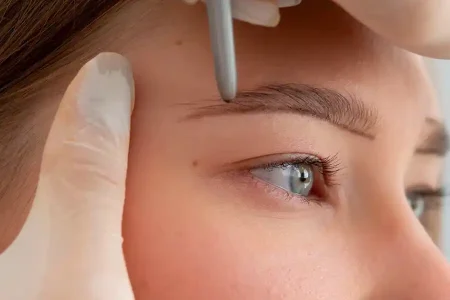
Bella Brow eyebrow transplant, focuses on creating natural-looking eyebrow density with careful attention to shape, direction, facial harmony, and individual style. The goal is not to create the same eyebrow on every face. A well-planned eyebrow transplant should respect the person’s bone structure, natural brow pattern, hair type, age, and aesthetic expectations.
Unlike temporary brow solutions, an eyebrow transplant uses the person’s own hair follicles to restore sparse, over-plucked, thin, asymmetrical, or missing eyebrows. When performed with precision, the result can look soft, balanced, and expressive rather than artificial or overly designed.
Table of Contents
What Is Bella Brow Eyebrow Transplant?
Bella Brow eyebrow transplant is an aesthetic eyebrow restoration approach designed to improve eyebrow fullness, shape, and definition by transplanting healthy hair follicles into the brow area. The procedure is commonly preferred by people who have naturally thin brows, gaps caused by over-plucking, scars, trauma-related hair loss, or eyebrow thinning linked to aging and genetics.
The process usually involves taking suitable hair follicles from a donor area, often the back of the scalp, and placing them into the eyebrow region one by one. This careful placement matters because eyebrow hair does not grow in the same way as scalp hair. Natural eyebrows grow at specific angles, lie close to the skin, and change direction across different parts of the brow.
A refined Bella Brow eyebrow transplant should consider these details from the beginning. The inner brow usually has a softer, more upright growth direction, while the middle and tail sections tend to follow a flatter angle. If the angle is too steep or the design is too harsh, the result may look unnatural. This is why artistry is as important as technique in eyebrow transplantation.
Why Do People Choose Bella Brow Eyebrow Transplant?
Many people choose Bella Brow eyebrow transplant because they want a permanent-looking solution for brows that feel incomplete. Makeup can fill gaps, but it needs daily effort. Microblading can create the appearance of hair strokes, but it gradually fades and may not suit everyone. Brow lamination and tinting can improve the look of existing hairs, yet they cannot restore areas where hair no longer grows.
Eyebrow transplantation offers a different kind of solution. It aims to place real growing follicles in areas where density is missing. For patients who feel that their eyebrows no longer match their facial features, this can create a meaningful aesthetic change.
Another reason people consider Bella Brow eyebrow transplant is the desire for a softer, more personal result. Modern eyebrow trends have moved away from extremely sharp or overly dark brows. Today, many patients prefer eyebrows that look groomed but not drawn on, fuller but not heavy, defined but still natural. A successful eyebrow transplant supports this balance.
Who Is a Good Candidate for Bella Brow Eyebrow Transplant?
A good candidate for Bella Brow eyebrow transplant is usually someone who wants fuller eyebrows and has realistic expectations about the procedure, healing process, and final result. Suitability should always be assessed through a personal consultation, because eyebrow loss can have different causes and not every person needs the same plan.
Common candidates may include:
- Individuals with naturally sparse or thin eyebrows
- People with gaps caused by years of over-plucking
- Patients with eyebrow loss after trauma, burns, or small scars
- Those who have asymmetrical brows and want better balance
- People who are tired of filling their brows with makeup every day
- Individuals who prefer real hair growth instead of tattoo-like cosmetic options
- Patients with stable hair loss who have enough suitable donor hair
A consultation is important because the donor hair must be appropriate for eyebrow restoration. Hair thickness, color, curl, and growth pattern all affect the final appearance. Very coarse or curly donor hair may require extra planning to avoid a result that looks too strong for the face.
How Is the Eyebrow Shape Designed?
Eyebrow design is one of the most important parts of Bella Brow eyebrow transplant. The shape should never be chosen only from a trend photo or copied from another person. A brow that looks beautiful on one face may look too high, too straight, too thick, or too dramatic on another.
During the design stage, the natural brow position, eye shape, forehead structure, facial symmetry, and personal preferences are reviewed. The beginning, arch, and tail of the brow are planned carefully. A small change in arch height can alter the entire expression of the face. A higher arch may create a more lifted appearance, while a straighter brow can look softer and more modern.
The best designs often look effortless. They add structure without making the face appear surprised, severe, or overly styled.
How Does the Bella Brow Eyebrow Transplant Procedure Work?
The procedure generally begins with consultation and planning. The eyebrow area is examined, photographs may be taken for design evaluation, and the desired density is discussed. The donor area is then selected according to hair quality and suitability.
Hair follicles are extracted with care and prepared for implantation. Each follicle must be placed in the brow area at a very precise angle. This step requires patience because eyebrow transplantation involves fine detail. The direction of each graft should support the natural flow of the brow.
Local anesthesia is commonly used for comfort during the procedure. Many patients remain awake while the transplant is performed. The duration can vary depending on the number of grafts needed and the complexity of the design. Some patients need a subtle density improvement, while others require more detailed reconstruction.
After the placement is complete, the brows may appear darker, fuller, or slightly red at first. This early look is not the final result. Healing, shedding, and regrowth happen gradually.
What Makes a Natural-Looking Eyebrow Transplant?
A natural-looking eyebrow transplant depends on more than the number of follicles used. Density is important, but direction, spacing, angle, and hair selection are just as essential. If too many grafts are placed too closely, the brow can look heavy. If the direction is inconsistent, the hairs may not blend smoothly.
The finest results often come from subtle decisions. The front of the brow should not look like a block of hair. The tail should not be too thick or too long. The arch should fit the person’s natural expression. Even small irregularities can make the brow look more realistic, because natural eyebrows are not perfectly identical.
Bella Brow eyebrow transplant should also respect gender expression and personal style. Some patients prefer soft and delicate brows, while others want a stronger frame. The goal is not to erase individuality, but to enhance it.
What Should Patients Expect After Bella Brow Eyebrow Transplant?
Recovery after Bella Brow eyebrow transplant is usually manageable, but patients should understand that the final result takes time. The first days are part of the healing stage, not the finished appearance.
Patients may commonly experience:
- Mild redness around the transplanted area
- Small crusts where follicles were placed
- Temporary swelling near the brow or upper eyelid area
- A fuller appearance immediately after the procedure
- Shedding of transplanted hairs within the early weeks
- Gradual new growth over the following months
- The need to trim transplanted hairs as they grow longer than natural brow hairs
The shedding phase can worry some patients, but it is often part of the normal process. The transplanted follicles remain under the skin and begin producing new growth later. Patience is important because eyebrow transplant results develop gradually rather than instantly.
When Do Final Results Appear?
Final results from an eyebrow transplant usually appear over several months. Early healing may settle within days or weeks, but new growth often takes longer. Many patients begin to notice visible improvement after a few months, while the final density and texture continue to mature with time.
The transplanted hairs may initially grow in a slightly different way because they come from the scalp. Regular trimming can help maintain the desired eyebrow length. Over time, patients usually learn how often they need to groom their new brows.
It is also important to understand that eyebrow transplantation is not the same as drawing a fixed shape onto the skin. The result is living hair. This gives a more natural effect, but it also means the brows need light maintenance.
Bella Brow Eyebrow Transplant vs. Microblading
Microblading and eyebrow transplant are often compared, but they are not the same type of solution. Microblading creates the appearance of brow hairs by placing pigment into the skin. It can be useful for people who want temporary definition or who are not ready for a surgical procedure. However, pigment can fade, change tone, or require touch-ups.
Bella Brow eyebrow transplant uses real hair follicles. This makes it more suitable for people who want actual brow growth. It may be especially appealing to those with missing brow hair, scars, or areas where makeup does not create enough texture.
The choice depends on the person’s expectations. Some patients want a cosmetic illusion. Others want restoration with real hair. In certain cases, patients may even combine approaches after full healing, but this should only be considered with professional guidance.
How to Maintain the Results
Maintaining the results of Bella Brow eyebrow transplant involves gentle care and realistic grooming habits. Since transplanted hairs may grow longer than natural eyebrow hairs, trimming is usually part of long-term maintenance. Brushing the brows can help guide the direction, especially during the early growth period.
Patients should avoid aggressive plucking once the final result appears. Over-plucking is one of the common reasons people seek eyebrow restoration in the first place. A better approach is to remove only obvious stray hairs and preserve the designed shape as much as possible.
Healthy skin also supports a better appearance. Harsh skincare products, unnecessary irritation, or frequent trauma to the brow area may affect the look of the brows. A simple, consistent grooming routine is usually enough for most patients.
Why Technique and Aesthetic Judgment Matter
Eyebrow transplantation is a small-area procedure, but it requires a high level of detail. A few misplaced hairs can affect the appearance more noticeably than in larger hair transplant areas. This is why technique and aesthetic judgment matter so much.
A successful Bella Brow eyebrow transplant should not make people immediately notice that a procedure was done. Instead, it should make the face look more balanced and the brows more complete. The best compliment is often that the person looks fresher, not that the eyebrows look transplanted.
Good planning also prevents overcorrection. Some patients ask for very thick brows because they are frustrated with years of thinness. However, overly dense brows can look unnatural and may not age well with the face. A thoughtful design creates fullness while keeping softness.
Is Bella Brow Eyebrow Transplant Permanent?
Bella Brow eyebrow transplant is designed as a long-term solution because it uses living hair follicles. Once the transplanted follicles adapt and grow successfully, they can continue producing hair. However, the appearance may still change with age, grooming habits, skin quality, and general health.
The procedure should be viewed as long-lasting rather than magically maintenance-free. Patients may still need trimming, shaping, and occasional professional brow grooming. The advantage is that the foundation comes from real hair rather than daily drawing or temporary pigment.
For many people, this makes the procedure worthwhile. Waking up with naturally fuller brows can reduce the need for makeup and help create a more consistent facial expression.