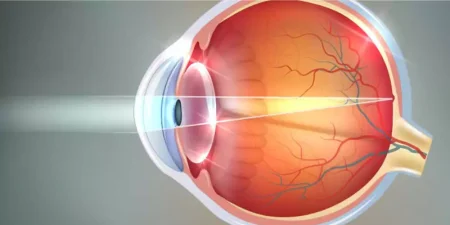
Astigmatism Treatment Turkey is increasingly chosen by patients who want clearer, more comfortable vision through modern eye care solutions. Astigmatism is a common refractive error caused by an irregularly shaped cornea or lens, which prevents light from focusing evenly on the retina. This can lead to blurred or distorted vision at both near and far distances, often accompanied by eye strain or headaches. Because astigmatism can affect daily activities such as reading, driving, and screen use, proper diagnosis and treatment are important.
In Turkey, astigmatism is diagnosed and managed by experienced ophthalmologists using advanced diagnostic technology and personalized treatment plans. Depending on the severity and the patient’s lifestyle, treatment options may include prescription glasses, contact lenses, or laser vision correction procedures. With modern clinics and structured care pathways, Astigmatism Treatment Turkey offers patients access to effective, safe, and long-term solutions for sharper vision.
Table of Contents
What Is Astigmatism?
Astigmatism is a common refractive error that occurs when the cornea or the eye’s lens has an irregular shape. Instead of being evenly curved like a basketball, the surface is shaped more like a football, causing light to focus at multiple points rather than a single point on the retina. This results in blurred or distorted vision at both near and far distances.
Astigmatism can occur on its own or together with other refractive errors such as myopia (nearsightedness) or hyperopia (farsightedness). It may be present from birth or develop over time, and while it is not a disease, untreated astigmatism can lead to eye strain, headaches, and reduced visual comfort.
How Is Astigmatism Treated in Turkey?
In Turkey, astigmatism treatment begins with a detailed eye examination using modern diagnostic tools to measure corneal shape, thickness, and refractive power. These tests help ophthalmologists determine the type and degree of astigmatism and recommend the most appropriate correction method. Treatment plans are personalized based on visual needs, eye health, and lifestyle.
Treatment options range from non-surgical methods such as glasses and contact lenses to advanced laser eye surgery. For suitable candidates, laser procedures can permanently reshape the cornea to correct astigmatism. Turkish eye clinics emphasize safety, precision, and structured follow-up care to achieve stable and comfortable vision outcomes.
Who Is Astigmatism Treatment Suitable For?
Astigmatism treatment is suitable for people whose vision quality or daily comfort is affected by irregular focusing.
Individuals with blurred or distorted vision at any distance
People experiencing eye strain, headaches, or visual fatigue
Patients whose astigmatism affects reading, driving, or screen use
Adults with stable vision considering long-term correction options
Individuals seeking alternatives to glasses or contact lenses
Symptoms and Causes of Astigmatism
Astigmatism symptoms can vary depending on severity, but they often affect visual clarity and comfort. Common symptoms include blurred or distorted vision, difficulty seeing fine details, eye strain, headaches, and squinting to see clearly. Some people also experience difficulty with night vision.
Causes of astigmatism include genetic factors, irregular corneal development, eye injuries, previous eye surgery, or conditions that alter corneal shape. In some cases, astigmatism may change gradually over time, especially when associated with other eye conditions.
Types of Astigmatism: Corneal vs. Lenticular
Corneal astigmatism is the most common type and occurs when the cornea has an uneven curvature. Because the cornea is the main focusing surface of the eye, even small irregularities can significantly affect vision. Most laser eye surgeries are designed to correct this type of astigmatism by reshaping the cornea.
Lenticular astigmatism is caused by an irregularly shaped lens inside the eye. This type is less common and may change with age or be influenced by cataracts. Lenticular astigmatism may not always be fully correctable with corneal laser surgery and sometimes requires lens-based solutions.
Glasses vs. Contact Lenses for Astigmatism Correction
Glasses are a simple and effective way to correct astigmatism by compensating for irregular focusing. They are easy to use, non-invasive, and suitable for all ages. However, some people find glasses inconvenient for sports or active lifestyles, and peripheral distortion may occur with higher prescriptions.
Contact lenses—especially toric lenses—can offer clearer, more natural vision for many astigmatism patients. Because lenses sit directly on the eye, they move with it and reduce distortion. However, contacts require proper hygiene, regular replacement, and may not be ideal for people with dry eyes or sensitivity.
Laser Eye Surgery Options for Astigmatism in Turkey (LASIK, PRK, SMILE)
Turkey offers several laser eye surgery options to correct astigmatism, depending on corneal thickness, eye health, and prescription level. LASIK reshapes the cornea under a thin flap and is known for fast recovery. PRK treats the corneal surface and may be recommended for patients with thinner corneas or specific corneal features.
SMILE is a minimally invasive laser technique that corrects astigmatism through a small incision, potentially preserving more corneal structure. Each method has advantages and limitations, and the best option is determined after detailed testing and consultation.
Can Astigmatism Be Fully Corrected with Surgery?
In many cases, astigmatism can be fully or very effectively corrected with laser surgery when patients are good candidates. Surgical correction aims to permanently reshape the cornea so light focuses properly on the retina, reducing or eliminating the need for glasses or contact lenses.
However, outcomes depend on factors such as astigmatism level, corneal health, and vision stability. While many patients achieve excellent visual clarity, some may still need minimal correction for certain tasks, especially as natural age-related changes occur.
How Long Does Astigmatism Correction Take?
Non-surgical correction with glasses or contact lenses provides immediate improvement once properly fitted. Laser eye surgery itself is very quick, usually taking only minutes per eye, with vision improvement often noticeable within the first day.
Full visual stabilization after laser correction may take several weeks, depending on the procedure used and individual healing response. Follow-up visits ensure that vision is settling as expected and that the eyes are healing properly.
Is Laser Surgery Safe for High Astigmatism?
Laser surgery can be safe for higher levels of astigmatism when performed on carefully selected patients using advanced technology. Detailed pre-operative testing is essential to confirm corneal thickness, shape, and overall eye health before proceeding.
In some cases of very high astigmatism, alternative or combined treatment approaches may be recommended to achieve the safest and most accurate results. An experienced ophthalmologist will explain realistic expectations and guide patients toward the most appropriate option.
Pre-Operative Testing and Eye Scans in Turkey
Before astigmatism treatment in Turkey, patients undergo comprehensive pre-operative testing to ensure safety and accurate correction. These evaluations measure corneal thickness, curvature, pupil size, and overall eye health using advanced diagnostic devices. Detailed scans help ophthalmologists determine the exact type and degree of astigmatism and whether laser correction or another treatment option is appropriate.
Pre-operative testing also screens for conditions such as dry eye, corneal irregularities, or early eye disease that could affect outcomes. By analyzing these results, specialists create a personalized treatment plan designed to maximize visual clarity while minimizing risks. Thorough testing is a key reason for predictable and stable results.
What to Expect During Recovery After Laser Eye Surgery
Recovery after laser eye surgery for astigmatism is usually smooth and relatively quick. Many patients notice clearer vision within the first 24 hours, although mild blur, dryness, or light sensitivity can occur during the early healing phase. These symptoms typically improve with prescribed eye drops and rest.
Over the following weeks, vision continues to stabilize as the cornea heals. Patients are advised to avoid rubbing their eyes, swimming, and intense physical activity for a short period. Follow-up appointments are important to monitor healing and confirm that vision is improving as expected.
Why Choose Turkey for Astigmatism Correction?
Turkey is often chosen for astigmatism correction because many eye clinics combine experienced ophthalmologists with modern laser technology. This allows for precise diagnosis, customized treatment planning, and access to multiple correction options, including advanced laser techniques.
Another advantage is organized care for international patients. Clinics frequently offer efficient scheduling, clear communication, and structured follow-up plans, making the process more convenient for those traveling from abroad while maintaining high medical standards.
Astigmatism Treatment Turkey Prices 2026
Astigmatism Treatment Turkey prices in 2026 can vary depending on the correction method chosen, the level of astigmatism, the technology used, and the clinic’s expertise. Non-surgical options such as glasses or contact lenses differ in cost from laser eye surgery, and advanced laser techniques may influence pricing.
Because astigmatism treatment is personalized, exact costs are typically determined after detailed eye examinations and diagnostic scans. When comparing options, it’s important to consider safety, technology, and follow-up care rather than price alone. Astigmatism Treatment Turkey prices for immediate details please contact us.
Frequently Asked Questions
Can astigmatism get worse over time?
Yes, astigmatism can change over time, especially during childhood and early adulthood as the eyes grow. In adults, changes are usually gradual and may be influenced by eye strain, eye injuries, or other eye conditions. Regular eye exams help track changes and ensure the correct prescription or treatment plan.
Is laser surgery the best option for astigmatism?
Laser surgery can be an excellent option for many adults with stable astigmatism, but it is not the best choice for everyone. Glasses or contact lenses work well for many people, and some eye conditions or high astigmatism levels may require alternative approaches. A detailed eye exam is necessary to determine the most suitable option.
How do I know if I’m a candidate for LASIK in Turkey?
Candidacy for LASIK depends on factors such as stable vision, corneal thickness, eye health, and the level of astigmatism. Turkish eye clinics use advanced pre-operative testing to confirm eligibility. Final approval is given only after an in-person examination.
Can children be treated for astigmatism in Turkey?
Yes, children can be treated for astigmatism, usually with glasses or contact lenses rather than surgery. Early correction is important to support normal visual development and prevent eye strain or amblyopia. Surgical options are generally reserved for adults with stable vision.
Are the results of laser treatment permanent?
Laser eye surgery permanently reshapes the cornea to correct existing astigmatism. While the correction itself is long-lasting, natural age-related changes in the eyes can still affect vision later in life. Regular eye check-ups help monitor long-term eye health.
What’s the maximum level of astigmatism that can be corrected?
The maximum correctable level depends on corneal thickness, shape, and overall eye health. Many cases of mild to moderate astigmatism are fully correctable with laser surgery, while very high levels may require alternative or combined treatment approaches. An eye exam determines safe limits.
Is there a difference between Turkish and European laser technology?
Many clinics in Turkey use laser systems and diagnostic technology that are comparable to those used in Europe and other regions. The key differences are usually related to clinic standards and surgeon experience rather than technology alone. Choosing a reputable clinic is essential.
How soon will I see clearly after surgery?
Many patients notice improved vision within the first day after laser surgery, with continued stabilization over the following weeks. Recovery speed can vary depending on the procedure type and individual healing response.
Do I need to stop wearing contacts before my eye exam?
Yes, contact lenses can temporarily change the shape of the cornea. Patients are usually advised to stop wearing soft lenses for several days and rigid lenses for a longer period before pre-operative testing. Your clinic will provide specific guidance.
How do I arrange astigmatism treatment from abroad?
Most Turkish eye clinics allow international patients to arrange treatment online or through patient coordinators. You can share basic eye information in advance, but final diagnosis and treatment planning are completed after in-person examinations and scans.