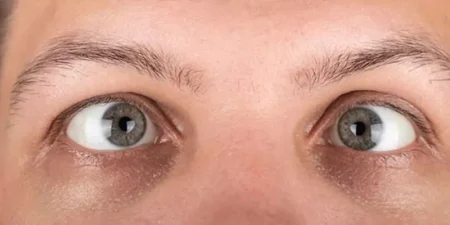
Strabismus Surgery Turkey options are preferred by patients who want to correct eye misalignment for better visual comfort, function, and appearance. This surgery adjusts the eye muscles so the eyes can align more accurately and work together more effectively. Both children and adults may benefit, especially when strabismus causes double vision, eye strain, headaches, or reduced self-confidence.
In Strabismus Surgery Turkey clinics, treatment usually starts with a detailed eye and alignment evaluation. The surgical plan is then tailored to the type of deviation and the muscles involved. With careful planning and follow-up, strabismus surgery can provide noticeable alignment improvement and better day-to-day comfort.
Table of Contents
What Is Strabismus and How Is It Treated with Surgery in Turkey?
Strabismus is a condition in which the eyes are not properly aligned, so one eye may turn inward, outward, upward, or downward. It can be constant or occasional and may affect visual development in children or cause double vision and discomfort in adults.
In Turkey, strabismus surgery corrects this problem by adjusting the eye muscles responsible for movement. Depending on the case, the surgeon may weaken, strengthen, or reposition certain muscles. Surgery is often part of a broader treatment plan that may also include glasses, prisms, or vision therapy.
Why Choose Turkey for Strabismus (Eye Muscle) Surgery?
Many patients choose Turkey for strabismus surgery because specialized clinics often provide detailed evaluation, surgical planning, and follow-up in an organized way. Accurate measurements are especially important in eye muscle surgery, and this structured approach can support better outcomes.
Another reason is access to teams that focus on both functional and cosmetic improvement. Strabismus surgery is not only intended to improve appearance but also to reduce symptoms such as double vision and eye fatigue. A coordinated treatment plan can help patients feel more comfortable before and after surgery.
Who Is a Suitable Candidate for Strabismus Surgery?
Strabismus surgery can be appropriate when misalignment is stable enough to measure and when non-surgical options are insufficient to restore alignment or relieve symptoms.
- Children with persistent misalignment that risks lazy eye (amblyopia) or reduced binocular vision
- Adults with noticeable eye deviation causing double vision, eye strain, or functional discomfort
- Patients whose alignment does not respond adequately to glasses, prisms, or vision therapy alone
- Individuals with stable measurements that allow accurate surgical planning
- People in good general health who can safely undergo anesthesia and follow post-op care
- Patients with realistic expectations, understanding that some cases may need more than one procedure
Types of Strabismus (Esotropia, Exotropia, Hypertropia, etc.)
Strabismus types are classified by the direction of the eye turn and whether the deviation is constant or intermittent. Esotropia is an inward turn, exotropia is an outward turn, hypertropia is upward, and hypotropia is downward. Some patients may have a combination of these patterns.
Some forms are linked to focusing problems or muscle and nerve disorders. Identifying the exact type is important because it affects the surgical plan, the number of muscles involved, and the expected outcome.
Step-by-Step: How Strabismus Surgery Is Performed in Turkey
Strabismus surgery begins with careful measurement of the deviation at different distances and gaze positions. Based on these findings, the surgeon decides which muscles need adjustment. The muscles are reached through the conjunctiva, so there is usually no need for external skin cuts.
The surgeon then weakens or strengthens selected muscles to improve alignment. In some cases, both eyes may need treatment to achieve better balance. After the procedure, the patient starts recovery with eye drops and follow-up checks.
Strabismus Surgery for Children vs. Adults: What’s Different?
In children, the main goal is often to support normal visual development and reduce the risk of amblyopia. Treatment may also include glasses or patching before or after surgery to help the weaker eye develop properly.
In adults, surgery is often performed to reduce double vision, improve comfort, and enhance appearance. Adult cases can sometimes be more complex, especially when strabismus is linked to trauma, nerve palsy, or restrictive eye conditions.
What to Expect Before and After Eye Alignment Surgery
Before surgery, patients usually undergo a full eye examination that includes vision testing, alignment measurement, and assessment of binocular vision. The clinic may also determine whether glasses, prisms, or other supportive treatments are needed as part of the overall plan.
After surgery, redness, watering, and mild discomfort are common during the early healing period. Alignment may also shift slightly as swelling decreases and the muscles settle. Follow-up visits are important to monitor recovery and assess the final result.
Is Strabismus Surgery Painful or Risky?
Most patients describe strabismus surgery as uncomfortable rather than painful, especially when proper anesthesia and post-operative medication are used. After surgery, mild soreness, tearing, and light sensitivity are common and usually improve gradually.
Like any surgical procedure, strabismus surgery carries some risks. These may include undercorrection, overcorrection, infection, scarring, or temporary double vision. Choosing an experienced surgeon and following aftercare instructions carefully helps reduce these risks.
Recovery Timeline and Post-Surgery Care
Recovery involves both tissue healing and alignment settling, so improvement happens in stages, with careful follow-up supporting the best outcome.
- Expect redness and irritation in the first days to weeks, with gradual fading over time
- Use prescribed drops as directed to reduce inflammation and prevent infection
- Avoid rubbing the eyes and protect them from dust, smoke, and contamination
- Limit strenuous exercise and swimming for the period your surgeon recommends
- Attend follow-ups to check alignment stability and ensure proper healing
- Report warning signs such as increasing pain, sudden vision loss, severe swelling, or thick discharge
Can Strabismus Surgery Improve Vision as Well as Appearance?
Strabismus surgery can improve visual function in some cases, but the type of improvement depends on the patient’s age and how the brain has adapted to the misalignment. In children, surgery may support binocular vision and depth perception when combined with proper timing and additional treatment if needed.
In adults, improvement often means less double vision, reduced eye strain, and better visual comfort rather than a major change in clarity. Even when visual gains are limited, many patients still benefit from improved appearance and greater confidence in daily life.
How Long Does the Effect of Strabismus Surgery Last?
The results of strabismus surgery can be long-lasting when the underlying cause is stable and the correction matches the measured deviation well. Once the muscles heal in their new position, many patients maintain improved alignment for years.
However, eye alignment can still change over time because of growth, aging, refractive shifts, or other medical conditions. Long-term stability depends on the type of strabismus and whether any ongoing factors continue to affect muscle balance.
Can Strabismus Recur After Surgery?
Yes, strabismus can recur after surgery in some patients, and this does not always mean the first operation was unsuccessful. Eye alignment can change over time because of healing patterns, neurological control, or the original cause of the deviation.
If recurrence occurs, treatment depends on how severe the problem is and whether it causes symptoms. Some patients may benefit from prisms, observation, or another procedure to improve alignment again.
Preparing for Eye Surgery as an International Patient in Turkey
International patients should plan enough time for pre-operative tests, surgery, and early follow-up visits before returning home. It is also important to share medical history, previous eye procedures, and any neurological or systemic conditions so the treatment plan can be prepared safely.
Patients should also understand what kind of follow-up may be needed after they travel back. Clear instructions about eye drops, activity limits, and warning signs can make recovery easier and reduce confusion during the healing period.
Strabismus Surgery Turkey Prices 2026
Strabismus Surgery Turkey prices in 2026 can vary depending on whether one or both eyes are treated, how many muscles need adjustment, and how complex the condition is. Factors such as diagnostic testing, anesthesia method, surgeon experience, and post-operative follow-up can also affect the total cost.
Because every case is different, clinics usually prepare a personalized quote after a detailed examination and measurement process. For Strabismus Surgery Turkey prices, contact us today.
Frequently Asked Questions (FAQs)
Is strabismus surgery in Turkey safe for children?
Yes, strabismus surgery in Turkey is considered safe for children when performed by experienced pediatric ophthalmologists. Many eye clinics and hospitals follow international safety standards and regularly treat both local and international pediatric patients.
What age is ideal for strabismus surgery?
The ideal age depends on the type and severity of strabismus. In many cases, early surgery during childhood is recommended to support proper visual development, but surgery can be performed safely at different ages when medically indicated.
How long does the surgery take?
Strabismus surgery typically takes between 30 minutes to 1 hour. The duration may vary depending on how many eye muscles are being adjusted and whether one or both eyes are treated.
Can adults benefit from strabismus surgery too?
Yes, adults can benefit greatly from strabismus surgery. In addition to improving eye alignment, the procedure can help reduce double vision and improve confidence and social interaction.
Are the results of strabismus surgery permanent?
Results are often long-lasting, but in some cases, additional treatment or future surgery may be needed. Long-term success depends on the type of strabismus, age at treatment, and follow-up care.
Will I need glasses after the surgery?
Some patients still need glasses after surgery, especially if they have refractive errors such as farsightedness or astigmatism. Surgery corrects eye alignment, not focusing problems.
Can strabismus cause lazy eye or double vision?
Yes, untreated strabismus can lead to lazy eye (amblyopia) in children or double vision in adults. Early diagnosis and treatment reduce these risks significantly.
Can strabismus be treated without surgery?
In some cases, non-surgical treatments such as glasses, eye patches, or vision therapy may help. However, surgery is often the most effective option for correcting muscle imbalance.
Is strabismus surgery covered by insurance abroad?
Insurance coverage varies by provider and policy. Many international patients self-fund the procedure, but it is best to confirm coverage directly with your insurance company.
How soon can my child return to school after surgery?
Most children can return to school within a few days to one week, depending on comfort level and the surgeon’s recommendations.
Are follow-up visits required after returning home?
Yes, follow-up is important. Initial check-ups are usually done before leaving Turkey, and additional follow-ups can often be managed remotely with your local eye doctor.
Will my eyes look straight immediately after surgery?
Eye alignment often improves immediately, but redness and mild swelling can temporarily affect appearance. Final results become clearer as healing progresses over a few weeks.
Are there payment plans for eye surgery in Turkey?
Some clinics offer package pricing or flexible payment options. Availability varies and is typically discussed during consultation.