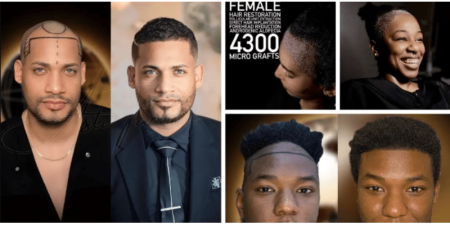
Afro hair transplant in Turkey is a hair restoration procedure designed for patients with tightly curled or coiled hair. Unlike straight hair, Afro-textured hair follicles often curve beneath the scalp, making extraction and graft placement more technically demanding. Careful planning and experience with curved follicle anatomy are important for reducing follicle damage and achieving appropriate hair coverage.
At Aslı Tarcan in Istanbul, patients considering Afro hair transplantation can request an individual assessment of their hair loss pattern, donor hair availability, scalp condition, and treatment goals. Techniques such as FUE and FUT may be considered depending on medical suitability. The procedure, graft requirements, expected recovery, and potential limitations should be discussed before deciding on a treatment plan.
Table of Contents
Where Can You Get an Afro Hair Transplant in Turkey?
You can get an Afro hair transplant in Turkey at clinics that offer individualized hair restoration planning for tightly curled and coiled hair. Istanbul is one of the destinations patients consider, but choosing a clinic should involve more than comparing prices. Experience with curved follicle anatomy, donor area assessment, surgical planning, and appropriate graft extraction techniques are particularly important for Afro-textured hair.
Patients considering treatment at Aslı Tarcan in Istanbul can request a consultation to discuss their hair loss pattern, donor hair availability, and suitability for transplantation. Before choosing a clinic, it is worth asking who will perform the procedure, how the surgical technique will be selected, and what aftercare is included. A personalized assessment can help establish realistic expectations about hair coverage and recovery.
Can Afro-Textured Hair Be Transplanted?
Yes, people with Afro-textured hair can undergo hair transplantation if they have sufficient healthy donor follicles and are medically suitable for the procedure. However, Afro hair follicles often follow a curved path beneath the scalp, which can make graft extraction more challenging. The surgical approach must account for this anatomy to reduce the risk of damaging follicles during harvesting.
Successful planning involves examining the donor area, identifying the cause of hair loss, and selecting an appropriate extraction and implantation technique. Conditions such as scarring alopecia may require further medical evaluation before transplantation. An individualized assessment helps determine whether FUE or FUT is suitable and what degree of coverage can realistically be achieved.

Afro Hair Transplant in Turkey Price 2026
Afro hair transplantation at Aslı Tarcan in Istanbul costs between $2,500 and $5,000 USD in 2026. The final price depends on the number of grafts required, the condition of the donor area, the complexity of extracting curved hair follicles, and the surgical technique selected. An individual consultation is necessary to determine the appropriate treatment plan and provide an accurate quotation.
Afro-textured hair transplantation requires particular attention to follicle curvature beneath the scalp, which can influence graft extraction and surgical planning. Hair transplant packages in Turkey may include accommodation, airport transfers, and post-operative aftercare, making treatment arrangements more convenient for international patients. However, the exact services included in a package should be confirmed in the individual quotation. Patients should compare the proposed surgical technique, medical team, follow-up arrangements, and total treatment prices. For a broader comparison of procedures and expenses, see our hair transplant in Turkey cost guide.

Do Hair Transplants Work for Afro-Textured Hair?
Yes, hair transplants can work for Afro-textured hair when the patient has healthy donor follicles and is medically suitable for surgery. However, Afro hair follicles often curve beneath the scalp, making extraction more challenging. Careful handling of these follicles helps reduce the risk of graft damage. The final result depends on several factors, including the cause of hair loss, donor hair availability, surgical technique, and individual healing.
Both Follicular Unit Extraction (FUE) and Follicular Unit Transplantation (FUT) can be considered for Afro hair transplantation. FUE extracts follicular units individually and leaves small, scattered scars, while FUT involves removing a strip of donor tissue and typically leaves a linear scar. Neither technique is automatically the best choice for every patient. A specialist should assess follicle curvature, scalp health, donor density, and hairstyle preferences before recommending a procedure.

Why Is Afro Hair Transplantation Different?
Afro hair transplantation requires a different surgical approach because tightly coiled hair often follows a curved path beneath the scalp. This can make follicle extraction more challenging and requires careful planning when positioning grafts in the recipient area. The degree of curvature varies between individuals, so treatment should be adapted to the patient’s hair characteristics, scalp condition, and donor area rather than hair texture alone.
Curved Hair Follicles Beneath the Scalp
The curl visible above the skin does not always reveal the direction of the follicle beneath it. During FUE hair transplantation, an extraction instrument may cut across a curved follicle, causing damage known as follicle transection. Evaluating the donor area and adjusting the extraction technique can help reduce this risk. Since follicle curvature and skin characteristics vary, careful assessment is essential before selecting a surgical approach.
Extraction Technique and Hairline Planning
Successful Afro hair transplantation involves more than choosing between FUE and FUT. Factors such as extraction tools, skin thickness, graft handling, and implantation angles can influence the procedure. The surgeon must also consider how transplanted curls will grow and blend with the surrounding hair. A personalized hairline design should respect the patient’s existing growth direction, facial proportions, and available donor hair while maintaining realistic expectations about coverage and density.
Which Hair Transplant Technique Is Best for Afro Hair?
There is no single hair transplant technique that is best for every patient with Afro-textured hair. Both FUE and FUT may be suitable, depending on follicle curvature, donor hair availability, the extent of hair loss, and individual scarring preferences. The most appropriate method should be selected after examining the scalp and assessing how safely healthy grafts can be harvested.
Afro hair follicles often curve beneath the skin, which can increase the risk of follicle transection during extraction. FUE requires careful punch selection and precise handling of individual follicular units, while FUT allows grafts to be dissected from a donor strip under magnification. DHI and Sapphire FUE describe additional approaches to graft placement and recipient-site preparation rather than separate donor extraction methods.
FUE vs FUT vs DHI vs Sapphire FUE for Afro Hair
| Technique | How It Works | What Matters for Afro Hair |
|---|---|---|
| FUE Hair Transplant | Individual follicular units are extracted using a specialized punch. | Curved follicles require careful extraction to reduce graft damage. Small, scattered donor scars remain. |
| FUT Hair Transplant | A strip of donor scalp is removed, and follicles are separated under magnification. | May be considered when individual extraction is particularly challenging. It leaves a linear donor scar. |
| DHI Hair Transplant | An implanter pen is used to place harvested grafts into the recipient area. | Implantation angles and careful graft handling matter. DHI does not eliminate the challenges of curved follicle extraction. |
| Sapphire FUE | FUE harvesting is combined with sapphire blades for recipient-site incisions. | The blade material does not independently reduce donor follicle curvature or guarantee better graft survival. |
The best approach depends on the patient’s anatomy and treatment goals, not simply the name of the technique. A qualified hair transplant specialist should explain the extraction method, possible scarring, graft requirements, and expected limitations before surgery.

How Is Afro Hair Transplantation Done in Turkey?
Afro hair transplantation in Turkey involves evaluating the donor area, carefully extracting healthy hair follicles, and implanting them according to the patient’s natural growth pattern. The process begins with a consultation to assess hair loss, scalp health, donor density, and follicle curvature. The surgeon then determines the appropriate extraction method and designs a hairline that considers the patient’s facial features, existing hair direction, and available donor hair.
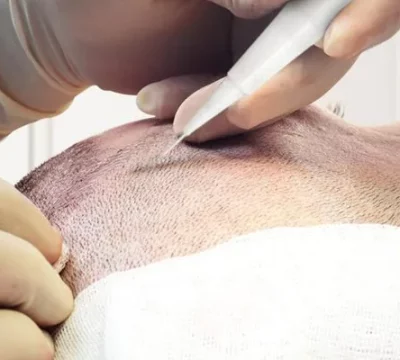
During the procedure, local anesthesia is typically used to reduce discomfort. Hair follicles are harvested using the selected technique, examined, and prepared for implantation. Because Afro-textured follicles often curve beneath the scalp, careful extraction and graft handling are important to reduce follicle damage. The harvested grafts are then placed at planned angles and spacing to achieve appropriate coverage. After surgery, patients receive individualized instructions for scalp care, washing, medication, and follow-up. Final hair growth develops gradually over several months, and results vary between patients.

Is an Afro Hair Transplant Painful?
An Afro hair transplant is usually performed under local anesthesia, which helps minimize pain during follicle extraction and implantation. Patients may experience brief discomfort when the anesthetic is administered, followed by sensations of pressure or pulling during the procedure. Afro-textured hair does not inherently make transplantation more painful, although individual sensitivity, surgical technique, and the extent of treatment can affect the experience.
After surgery, mild scalp tenderness, swelling, and temporary discomfort may occur as the anesthetic wears off. These symptoms generally improve during the early recovery period, but their intensity and duration vary between patients. Following the medical team’s aftercare instructions and using recommended pain relief can help manage discomfort. Severe or worsening pain, fever, or unusual discharge should be reported to the treating clinic promptly.
Frequently Asked Questions
How Long Does Recovery Take After an Afro Hair Transplant?
Initial recovery after an Afro hair transplant typically takes around 7–14 days, although complete hair growth takes considerably longer. Mild swelling, redness, tenderness, and small scabs may occur during the first week. Many patients can return to light daily activities within several days, depending on their recovery and the medical team’s recommendations. Strenuous exercise and activities that could disturb the grafts should be avoided until the treating team confirms they are safe. Transplanted hair shafts commonly shed during the first few weeks, which does not necessarily mean the follicles have failed. New hair growth often begins around three to four months after surgery, while fuller results may take 12–18 months to develop. Recovery and growth timelines vary according to individual healing, scalp condition, and treatment extent. Following personalized aftercare instructions is important throughout the process.
Is Sedation Used During an Afro Hair Transplant?
Sedation is not routinely required for an Afro hair transplant because the procedure is generally performed under local anesthesia. Local anesthesia numbs the donor and recipient areas while the patient remains awake. Additional sedation may be considered for some patients depending on their medical history, anxiety level, and the treating team’s assessment. Its availability should be confirmed directly with the clinic.Sedation and local anesthesia serve different purposes. Local anesthesia reduces pain in the treated areas, while sedation may help patients feel more relaxed or less aware of the procedure. Because sedation requires additional medical assessment, appropriate monitoring, and safety precautions, it should not be assumed to be included in every hair transplant treatment plan.
How Many Grafts Are Needed for an Afro Hair Transplant?
The number of grafts needed for an Afro hair transplant depends on the extent of hair loss, donor hair availability, and the patient’s desired coverage. There is no fixed graft count for Afro-textured hair. Its natural curl pattern can influence the appearance of hair coverage, but this does not guarantee that fewer grafts will be sufficient. An individual assessment is necessary to estimate the appropriate number.During a consultation, the medical team evaluates donor density, scalp health, follicle characteristics, and the size of the recipient area. The treatment plan should balance the desired hairline and coverage with the need to preserve healthy donor follicles. Graft requirements may also change if hair loss progresses, making long-term planning an important part of the procedure.
Does an Afro Hair Transplant Leave Scars?
Yes, an Afro hair transplant can leave scars, regardless of the surgical technique used. With Follicular Unit Extraction (FUE), individual grafts are removed through small incisions that may leave tiny, scattered marks in the donor area. Follicular Unit Transplantation (FUT) involves removing a strip of scalp tissue and typically leaves a linear scar. Scar visibility depends on the technique, healing response, hair length, and individual skin characteristics.Patients with a history of raised scars or keloid formation should discuss this with their surgeon before undergoing hair transplantation. Careful donor area planning, appropriate surgical techniques, and post-operative care may help manage scarring risks, but no method guarantees scar-free healing. A personalized consultation is important for understanding how potential scars could affect future hairstyle choices, particularly for patients who prefer closely cropped hair.
Note: This text is for informational purposes only. Consult a specialist for medical advice or diagnoses.
Instagram : aslitarcan