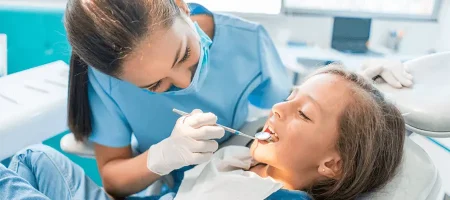
Pediatric Dentist Turkey services are increasingly sought after by families who want gentle, child-focused dental care in a modern clinical setting. Children’s teeth require a different approach than adults—not only because their mouths are still developing, but also because comfort, trust, and positive early experiences play a big role in long-term oral health. From routine check-ups and cleanings to cavity prevention, fluoride treatments, fissure sealants, and early orthodontic guidance, pediatric dentists specialize in keeping young smiles healthy while helping kids feel safe and relaxed during visits.
Choosing Pediatric Dentist Turkey can also be appealing for international families looking for experienced specialists, family-friendly clinics, and structured treatment planning—especially if they’re already traveling to Turkey or living there as expats. Many clinics focus on preventive care and education, helping parents understand daily habits, diet, and brushing routines that protect teeth for years to come. With the right pediatric dentist and a supportive environment, dental visits can become a stress-free part of your child’s healthy development.
Table of Contents
What Is a Pediatric Dentist in Turkey?
A pediatric dentist in Turkey is a dental specialist trained to care for infants, children, and teenagers, focusing on both oral health and child-friendly communication. Pediatric dentists understand how baby teeth develop, how permanent teeth emerge, and how habits like thumb-sucking, bottle use, or mouth breathing can affect growth and alignment. Their goal is not only to treat dental problems, but also to prevent them and help children build a positive relationship with dental care from an early age.
In Turkey, pediatric dental care often emphasizes gentle techniques, prevention, and age-appropriate behavior management so children feel safe and cooperative during visits. Clinics may use kid-friendly environments, shorter appointment structures, and clear explanations tailored to a child’s age. Pediatric dentists also guide parents on brushing routines, diet, fluoride use, and when to consider orthodontic evaluation, ensuring healthy development as the child grows.
Why Choose a Pediatric Dentist in Turkey?
Many families choose a pediatric dentist in Turkey because specialized clinics are often designed to reduce anxiety and create a calm, supportive experience for children. Pediatric dentists are skilled at working with nervous or sensitive kids, using child-focused language and techniques that help appointments go smoothly. This can be especially helpful for children who have had a difficult past dental experience or who are visiting a dentist for the first time.
Another reason is the preventive and developmental focus. Pediatric dentists don’t just “fix cavities”—they monitor how the jaws and teeth are growing and can identify early issues before they become bigger problems. For international families, it can also be convenient to find modern clinics with organized scheduling and clear communication, making it easier to manage check-ups, treatments, and follow-ups in a structured way.
Common Dental Treatments for Children in Turkey
Pediatric dental clinics in Turkey provide preventive, restorative, and developmental treatments to protect children’s teeth and support healthy growth.
- Routine check-ups and professional cleanings
- Fluoride treatments to strengthen enamel
- Fissure sealants to protect molars from decay
- Cavity fillings (tooth-colored restorations)
- Treatment for tooth sensitivity or enamel defects
- Space maintainers after early tooth loss
- Pediatric root canal treatments (pulp therapy) when needed
- Dental trauma care (chipped or knocked teeth)
- Habit counseling (thumb-sucking, pacifier use)
- Early orthodontic assessment and guidance
First Dental Visit: What Parents Should Know
A first dental visit is usually about building trust and creating a positive baseline, not doing anything scary. The pediatric dentist will check your child’s teeth, gums, and bite, looking for early signs of decay, enamel weakness, or habits that may affect development. They may also review brushing technique and talk about diet—especially how frequent snacking, sugary drinks, and bedtime bottles can impact tooth health.
Parents can expect the dentist to focus heavily on prevention and education. You’ll likely receive guidance on age-appropriate brushing, fluoride use, and what to do if your child resists brushing at home. If the dentist notices small concerns—like early decay, plaque buildup, or gum irritation—these can often be addressed with simple steps before they turn into bigger problems. The goal is to keep the experience calm and to help your child leave feeling proud and comfortable.
If your child is very young or anxious, the first visit may be short and gentle on purpose. Some children need a “get to know the clinic” appointment before they’re ready for a longer exam or treatment. That’s normal—and it’s often the best way to reduce fear and make future visits easier. A supportive first visit can set the tone for years of healthier dental habits and less stress around dentistry.
How to Prepare Your Child for a Dentist Appointment in Turkey
Preparation starts at home with simple, positive messaging. Explain that the dentist will “count and clean” their teeth and help keep their smile strong, and avoid using scary words like “needle,” “drill,” or “pain.” If your child likes role-play, you can practice opening wide and “checking” teeth with a toothbrush mirror at home. Keeping the tone relaxed and confident helps children feel that the visit is normal and safe.
On the day of the appointment, choose a time when your child is usually well-rested and not hungry, and bring comfort items if needed (a small toy or blanket). Avoid making big promises like “it won’t hurt” and instead say, “The dentist will be gentle, and we’ll do it together.” If your child has fears or special sensitivities, tell the clinic ahead of time—pediatric dentists can adapt their approach, pace, and communication style to make the experience smoother and more reassuring.
Pediatric vs. General Dentist: What’s the Difference?
A pediatric dentist specializes in dental care for infants, children, and teenagers, focusing on growth and development, child-specific dental issues, and behavior guidance. They’re trained to manage baby teeth, mixed dentition (both baby and permanent teeth), early orthodontic concerns, and habits like thumb-sucking or prolonged pacifier use. Pediatric clinics are often designed to feel friendly and non-threatening, which can make a big difference for nervous children.
A general dentist treats patients of all ages and can absolutely provide excellent care for many children—especially for routine check-ups and simple fillings. However, pediatric dentists are typically the better fit when a child is very anxious, very young, has special healthcare needs, needs more complex treatment, or requires a development-focused plan. In short, general dentists offer broad care, while pediatric dentists offer child-centered expertise and a kid-friendly approach.
Are Turkish Pediatric Dentists Trained for Anxious Children?
Yes, pediatric dentists in Turkey are commonly trained to work with anxious or fearful children using age-appropriate communication and behavior management techniques. This often includes “tell-show-do” (explaining, demonstrating, then doing), positive reinforcement, gentle pacing, and creating a sense of control for the child. Many clinics also use child-friendly environments and appointment structures to reduce stress and prevent overwhelm.
For children with higher anxiety, sensory sensitivities, or previous negative dental experiences, pediatric dentists can adapt how they approach exams and treatment. That might mean shorter first visits, gradual desensitization, or planning treatment in steps rather than doing everything at once. The best results usually come when parents share fears and triggers in advance so the dentist can tailor the experience from the start.
Preventive Dental Care for Children in Turkey
Preventive pediatric dentistry in Turkey focuses on stopping cavities and gum problems before they start, while also guiding healthy oral development. Typical prevention includes regular check-ups, professional cleaning, fluoride support (when appropriate), and sealants to protect cavity-prone molars. Dentists also help parents understand how diet, frequent snacking, sugary drinks, and bedtime feeding habits impact tooth health—because daily routines matter as much as clinic visits.
Prevention also means monitoring growth: how teeth erupt, how the bite is developing, and whether habits (thumb-sucking, mouth breathing) could affect alignment. When issues are caught early, treatment is often simpler and less stressful for the child. Strong preventive care is usually the most cost-effective and comfortable way to protect children’s smiles long-term.
How Often Should Kids See a Dentist?
Most children benefit from routine dental check-ups at regular intervals so small issues can be caught early and prevention stays consistent. The ideal frequency depends on cavity risk, oral hygiene habits, diet, and whether your child has braces, enamel weakness, or a history of decay. A pediatric dentist may recommend more frequent visits if your child is high-risk, while low-risk children may follow a standard routine schedule.
It’s also important to schedule visits around key growth stages—when molars erupt, when baby teeth start to loosen, and during mixed dentition—because these are common times for cavities and alignment changes to appear. Regular visits help children normalize dental care, reduce fear through familiarity, and keep treatment needs minimal.
Sedation Dentistry for Kids in Turkey: Is It Safe?
Sedation dentistry for kids in Turkey can be safe when it’s truly necessary and provided under strict protocols by qualified professionals in an appropriate medical setting. Safety depends on the child’s health evaluation, correct sedation choice, proper monitoring (oxygen, heart rate, breathing), and a trained team that can respond to emergencies. Reputable clinics will explain why sedation is recommended, what type is planned, and what pre- and post-sedation rules must be followed.
That said, sedation isn’t the first step for every child. Many anxious children can be treated successfully with behavior techniques and gentle pacing. Sedation is typically reserved for cases like extensive dental work, very young children who can’t cooperate safely, or children with severe anxiety or special healthcare needs. Parents should expect clear consent information and detailed instructions, including fasting rules and post-op supervision.
Dental Emergencies in Children: What to Do While in Turkey
If your child has a dental emergency in Turkey—such as a tooth injury, severe pain, swelling, bleeding, or a knocked/chipped tooth—the first step is to contact a reputable dental clinic or pediatric dentist as soon as possible. Time matters, especially with trauma and swelling. If your child has fever, facial swelling, difficulty swallowing, or trouble breathing, treat it as urgent and seek emergency medical care immediately.
While waiting to be seen, focus on comfort and protection: keep the area clean, avoid hard foods, and manage pain with appropriate measures advised by a professional. For tooth trauma, try to keep any broken fragments, and avoid repeatedly touching the injured area. A pediatric dentist can assess whether the issue affects baby teeth or permanent teeth and choose the safest plan to protect development.
Do Pediatric Clinics in Turkey Offer Orthodontic Services?
Many pediatric dental clinics in Turkey provide early orthodontic assessments and growth monitoring, which is often the first step in orthodontic care. Pediatric dentists commonly evaluate bite development, spacing, and jaw growth, and they may recommend interceptive steps when needed—such as space maintainers, habit correction, or referral for early orthodontic treatment.
Whether orthodontics is offered directly in the same clinic depends on the facility. Some clinics have orthodontists on-site or offer aligner/braces services, while others collaborate with trusted orthodontic specialists. Even when treatment is done elsewhere, pediatric dentists play an important role in timing—helping families understand when it’s best to start and what can be prevented with early intervention.
Tips for Dental Tourism with Children in Turkey
Planning ahead makes pediatric dental travel much smoother and less stressful for both children and parents.
- Choose a clinic that clearly specializes in pediatric dentistry and has child-friendly facilities
- Book an online consultation first to reduce surprises and plan the timeline
- Schedule appointments when your child is usually rested (avoid nap times)
- Bring comfort items (toy, blanket, headphones) and snacks for after the visit
- Pack button-up/zip-up tops if treatment involves head support or monitoring
- Build buffer days for follow-ups and avoid overbooking sightseeing
- Ask for written aftercare instructions and emergency contact details
- Keep travel light—avoid heavy bags you’ll struggle with while managing a child post-visit
Pediatric Dentist Turkey Prices 2026
Pediatric Dentist Turkey prices in 2026 can vary depending on the type of visit (routine check-up, cleaning, fluoride, sealants), the complexity of treatment (fillings, pulp therapy, space maintainers), the clinic’s standards, and the dentist’s experience. Costs can also differ based on whether imaging is needed, whether sedation is involved, and how many teeth require treatment. Because every child’s needs are different, pricing is usually confirmed after an examination.
For families traveling internationally, it’s also important to check what’s included—some clinics bundle consultation, diagnostics, and preventive treatments, while others itemize each step. Choosing a clinic based on transparency, pediatric experience, and a calm, child-centered approach often leads to better overall value than comparing price alone. Pediatric Dentist Turkey prices for immediate details please contact us.
Frequently Asked Questions (FAQs) Are pediatric dentists in Turkey experienced with foreign patients? What age should a child first visit the dentist in Turkey? Do Turkish pediatric clinics use child-friendly equipment? Are fluoride treatments available for children in Turkey? Can my child get braces or aligners in Turkey? What if my child has a dental emergency on holiday in Turkey? Are Turkish pediatric dental clinics clean and modern? How long does a typical child dental appointment take? Are dental x-rays safe for children? Do clinics offer preventive care like sealants? Is pediatric dental care in Turkey affordable compared to Europe? Can I book a pediatric dentist appointment online before arriving? What should I bring to my child’s dental appointment in Turkey?
Frequently Asked Questions (FAQs)
Are pediatric dentists in Turkey experienced with foreign patients?
Many pediatric dental clinics in Turkey regularly treat international and expat families, especially in larger cities and tourist areas, so they’re often familiar with scheduling needs, travel timelines, and communication in English or with coordinators. Experience can vary by clinic, so it’s smart to look for clinics that clearly mention international patient services and provide clear pre-visit instructions and aftercare guidance.
What age should a child first visit the dentist in Turkey?
A child’s first dental visit is generally recommended when the first tooth appears or around the first birthday, so the dentist can check early development and guide parents on brushing, diet, and cavity prevention. Even if everything looks fine, an early visit helps normalize dental care and makes future appointments less stressful.
Do Turkish pediatric clinics use child-friendly equipment?
Many pediatric clinics use child-friendly equipment and approaches, such as smaller instruments, gentle suction tips, and comfortable chair positioning, along with kid-focused communication techniques. Some clinics also offer calming environments (cartoons, toys, colorful decor) to reduce anxiety and help children cooperate more easily.
Are fluoride treatments available for children in Turkey?
Yes, fluoride treatments are commonly available in pediatric dentistry in Turkey and are often used to strengthen enamel and reduce cavity risk. The dentist will recommend fluoride based on your child’s age, cavity risk level, and overall oral health, and they’ll guide you on safe fluoride toothpaste use at home.
Can my child get braces or aligners in Turkey?
Children can receive orthodontic care in Turkey, and many pediatric clinics provide early orthodontic assessments and guidance. Actual braces or aligners may be offered in the same clinic if they have an orthodontist on-site, or the pediatric dentist may refer you to a partnered orthodontic specialist. Timing depends on growth stage, bite development, and whether the goal is early interception or full orthodontic treatment.
What if my child has a dental emergency on holiday in Turkey?
If your child has severe pain, swelling, bleeding, or tooth trauma while on holiday, contact a pediatric dental clinic as soon as possible for urgent evaluation. If there’s facial swelling with fever, difficulty swallowing, or breathing issues, seek emergency medical care immediately. For trauma, avoid excessive touching of the area, keep the mouth clean, and try to preserve any broken tooth fragments if available.
Are Turkish pediatric dental clinics clean and modern?
Many clinics are clean and modern, with up-to-date sterilization protocols and digital diagnostics, but standards can vary—so it’s worth choosing carefully. A reputable clinic should be transparent about hygiene practices, use sealed/sterile instruments, and maintain a professional clinical environment. Reviews, clinic photos, and clear communication about protocols can help you evaluate quality.
How long does a typical child dental appointment take?
A routine pediatric appointment length depends on your child’s age, cooperation, and whether it’s a first visit or a follow-up. A simple check-up and preventive guidance may be relatively quick, while cleaning, fluoride, sealants, or X-rays can take longer. First visits are often kept gentle and efficient to build trust, especially for anxious children.
Are dental X-rays safe for children?
Dental X-rays are generally considered safe for children when used appropriately and only when needed for diagnosis. Modern clinics often use digital X-rays, which can reduce radiation exposure compared to older systems, and they use protective measures and minimal imaging protocols. The dentist should explain why an X-ray is necessary and how it helps prevent missed problems.
Do clinics offer preventive care like sealants?
Yes, many pediatric clinics in Turkey offer preventive care such as fissure sealants, which protect the grooves of molars where cavities commonly start. Sealants are often recommended for cavity-prone children or when new permanent molars erupt, and they’re typically paired with fluoride guidance and hygiene coaching.
Is pediatric dental care in Turkey affordable compared to Europe?
Many families find pediatric dental care in Turkey can be more affordable overall compared to parts of Europe, but pricing varies by city, clinic standards, and treatment type. Preventive visits may be straightforward, while treatments like pulp therapy or sedation-based care can change total cost. It’s best to request a plan after an exam so you can compare value, inclusions, and follow-up support.
Can I book a pediatric dentist appointment online before arriving?
Yes, many clinics allow online booking or pre-arrival scheduling through websites, messaging apps, or patient coordinators. You can often share basic information (age, symptoms, photos if relevant) to help the clinic plan the right appointment length and decide if any imaging may be needed.
What should I bring to my child’s dental appointment in Turkey?
Bring your child’s identification (if available), any relevant medical history or allergy information, and details of current medications. If your child has prior dental records or recent X-rays, those can be helpful. It’s also a good idea to bring a comfort item (toy/blanket), headphones for distraction if your child is anxious, and a small snack and water for after the appointment if treatment might take time.