Table of Contents
What is Sapphire Hair Transplantation?
Sapphire FUE hair transplantation is a hair restoration technique that combines Follicular Unit Extraction (FUE) with sapphire-tipped blades used to create recipient-site incisions. The procedure involves extracting individual hair follicles from a donor area, usually at the back or sides of the scalp, and transplanting them into areas affected by hair loss.
Unlike conventional FUE procedures that may use steel blades for recipient-site preparation, Sapphire FUE uses blades manufactured from synthetic sapphire. These instruments allow the medical team to create carefully planned channels for graft placement. However, the use of sapphire blades alone does not guarantee faster healing, higher graft survival rates, or more natural-looking results.
Who Can Benefit from Sapphire FUE?
Sapphire FUE may be considered for men and women experiencing pattern hair loss who have sufficient healthy donor follicles. The suitability of the technique depends on the extent of hair loss, scalp condition, donor hair density, and individual treatment goals.
At Aslı Tarcan in Istanbul, patients considering Sapphire FUE hair transplantation can request a personalized assessment to discuss the available treatment options, expected recovery, potential risks, and realistic outcomes.
How is Sapphire Hair Transplant Done?
Sapphire FUE hair transplantation is performed by extracting individual hair follicles from a donor area and implanting them into areas affected by hair loss. The procedure uses conventional FUE extraction instruments to collect follicular units and sapphire-tipped blades to prepare small incisions in the recipient area.
Before the procedure, the medical team evaluates the patient’s hair loss pattern, donor hair density, scalp condition, and medical history. Following treatment planning and local anesthesia, individual follicular units are extracted using small surgical punches. The collected grafts are carefully handled and prepared for implantation.
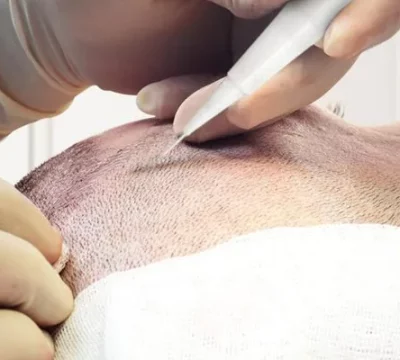
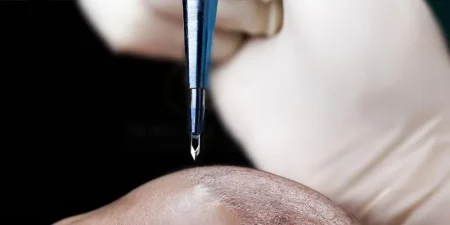
During recipient-site preparation, sapphire-tipped blades are used to create small channels according to the planned hairline and graft distribution. The medical team considers the depth, angle, direction, and placement of these incisions to support appropriate follicle positioning. The extracted grafts are then implanted into the prepared areas.
The procedure is followed by a recovery period during which temporary redness, swelling, tenderness, and small crusts may occur. Although Sapphire FUE allows controlled recipient-site preparation, the technique does not guarantee faster healing, greater hair density, or a particular cosmetic result.
At Aslı Tarcan in Istanbul, patients can discuss the procedure, suitable treatment options, potential risks, and recovery expectations during an individual consultation.
What Are the Advantages of Sapphire Blades in Hair Transplantation?
Sapphire blades are used during Sapphire FUE hair transplantation to create small incisions in the recipient area where extracted hair follicles will be placed. Their main advantage is the ability to prepare recipient channels with controlled dimensions while allowing the medical team to plan graft placement according to the patient’s hair characteristics.
Precision in Recipient-Site Preparation
Sapphire-tipped blades are designed to create precise incisions during the recipient-site preparation stage. The medical team determines the depth, angle, direction, and distribution of these incisions based on the patient’s scalp condition, hairline design, and desired coverage. Accurate planning is important for achieving a natural-looking hair restoration result.
Scalp Healing and Scarring
Sapphire FUE is sometimes promoted as a technique that reduces tissue trauma and supports faster healing. However, individual recovery depends on several factors, including incision technique, surgical experience, scalp health, and post-operative care. Sapphire blades do not guarantee faster recovery, less pain, or scar-free results.
Choosing the Appropriate Hair Transplant Technique
The use of sapphire blades is only one aspect of a successful hair transplantation procedure. Donor hair availability, graft handling, the medical team’s qualifications, and long-term treatment planning are equally important considerations.
At Aslı Tarcan in Istanbul, patients considering Sapphire FUE hair transplantation can request an individual consultation to discuss the technique, its potential advantages, limitations, and suitability for their hair restoration needs.
Who is a Suitable Candidate for Sapphire Hair Transplant?
Sapphire FUE hair transplantation may be suitable for men and women experiencing pattern hair loss who have sufficient healthy donor follicles. The procedure can help improve hair coverage in selected areas, but eligibility depends on the cause of hair loss, donor hair density, scalp condition, medical history, and realistic treatment expectations.
Donor Hair Availability and Hair Loss Stability
Patients should have an adequate supply of healthy follicles in the donor area, usually at the back or sides of the scalp. The medical team must assess whether the available donor hair can provide suitable coverage without excessive extraction.
The progression of hair loss is also important. Patients experiencing rapid or ongoing hair loss may require further evaluation and long-term treatment planning before considering transplantation.
Scalp Health and Medical Suitability
Patients with active scalp infections, certain inflammatory scalp conditions, or uncontrolled medical conditions may need additional treatment or medical evaluation before undergoing surgery. Having fine hair or sensitive skin does not automatically make Sapphire FUE the most suitable technique.
Realistic Expectations and Individual Assessment
Sapphire FUE can improve hair coverage, but the technique does not guarantee a particular density, faster healing, or scar-free results. The final outcome depends on surgical planning, graft handling, donor hair characteristics, and individual healing.
At Aslı Tarcan in Istanbul, patients can request a personalized consultation to evaluate their hair loss pattern, discuss available techniques, and determine whether Sapphire FUE is an appropriate treatment option.
Sapphire Hair Transplant Disadvantages
The main disadvantages of Sapphire FUE hair transplantation include potential surgical risks, donor hair limitations, possible scarring, and variable treatment costs. Although sapphire-tipped blades allow controlled recipient-site preparation, they do not eliminate the risks associated with hair transplantation or guarantee better results than other FUE techniques.
Potential Risks and Scarring
Like other hair transplantation procedures, Sapphire FUE may cause temporary swelling, redness, tenderness, and crusting. Possible complications include infection, bleeding, scarring, and poor graft growth. Small circular scars can remain in the donor area, and their visibility depends on individual healing and hair characteristics.
Limited Donor Hair Availability
Sapphire FUE does not increase the number of available donor follicles. Patients with extensive hair loss or limited donor density may not achieve their desired coverage in a single procedure. Excessive graft extraction can also affect the appearance of the donor area.
Treatment Costs and Technique Selection
Sapphire FUE prices may differ from conventional FUE depending on the clinic, equipment, graft requirements, and treatment package. However, a higher price does not necessarily mean a better outcome. The technique should be selected according to the patient’s medical needs rather than marketing claims.
At Aslı Tarcan in Istanbul, patients considering Sapphire FUE can request an individual consultation to discuss potential disadvantages, treatment costs, donor hair suitability, and realistic expectations before proceeding.
Stages of Sapphire Hair Transplantation
Sapphire FUE hair transplantation is performed in several stages, including medical assessment, donor hair extraction, recipient-site preparation, graft implantation, and post-operative care. The procedure follows the principles of Follicular Unit Extraction (FUE), with sapphire-tipped blades used specifically to create small incisions in the recipient area.
1. Consultation and Treatment Planning
The process begins with an assessment of the patient’s hair loss pattern, scalp condition, donor hair density, and medical history. The medical team determines whether transplantation is appropriate and plans the hairline, estimated graft requirements, and treatment approach.
2. Preparation and Local Anesthesia
Before transplantation, the donor and recipient areas are prepared. Local anesthesia is generally administered to reduce discomfort during the procedure.
3. Donor Hair Extraction
Individual follicular units are extracted from the donor area using small surgical punches as part of the FUE technique. The extracted grafts are carefully handled and prepared for implantation. Sapphire blades are not used to extract follicles from the donor area.
4. Creating Recipient Channels with Sapphire Blades
Sapphire-tipped blades are used to create small recipient-site incisions in areas affected by hair loss. The medical team plans the depth, direction, angle, and distribution of these channels according to the patient’s hair characteristics and treatment goals.
5. Graft Implantation and Aftercare
The extracted follicles are carefully placed into the prepared channels. Appropriate graft placement and donor area management are important for the final appearance.
After the procedure, patients receive instructions regarding scalp washing, medication, physical activity, and follow-up appointments. Temporary redness, swelling, and small crusts may occur during recovery.
At Aslı Tarcan in Istanbul, patients considering Sapphire FUE can request an individual assessment to discuss the procedure, potential risks, expected recovery, and suitable treatment options.
What Should You Do After Sapphire FUE Hair Transplantation?
After Sapphire FUE hair transplantation, patients should follow the medical team’s post-operative care instructions to protect the treated scalp and support recovery. Proper aftercare includes gentle scalp hygiene, avoiding unnecessary pressure on the transplanted area, managing physical activity, and attending recommended follow-up appointments.
Scalp Care and Washing
During the first few days, the donor and recipient areas may be sensitive. Patients should avoid rubbing, scratching, or applying unnecessary pressure to the transplanted follicles. Hair washing should begin according to the medical team’s instructions, using the recommended products and techniques.
Sleeping Position and Physical Activity
Patients may be advised to sleep with their head slightly elevated during early recovery to help manage swelling. Strenuous exercise, swimming, prolonged sun exposure, and activities that could injure the scalp should be avoided until the medical team confirms they are appropriate.
Temporary Hair Shedding and Recovery
Temporary shedding of transplanted hairs commonly occurs during the first few weeks after Sapphire FUE hair transplantation. This is an expected part of the recovery process for many patients and does not necessarily indicate treatment failure.
New hair growth generally begins developing over the following months. The final appearance may take 12 to 18 months to mature, depending on individual healing and hair characteristics.
When to Contact the Medical Team
Mild redness, swelling, tenderness, and crusting may occur after the procedure. However, patients should contact their healthcare provider if they experience severe or worsening pain, fever, spreading redness, unusual discharge, or other concerning symptoms.
At Aslı Tarcan in Istanbul, patients can discuss post-operative care, recovery expectations, and follow-up requirements with the medical team. Individual aftercare instructions should always take priority over general recovery recommendations.
What Are the Key Features of Sapphire FUE Hair Transplantation?
Sapphire FUE hair transplantation is a variation of the Follicular Unit Extraction (FUE) technique that uses sapphire-tipped blades during recipient-site preparation. Its distinguishing feature is the use of these blades to create small incisions where extracted hair follicles will be implanted. Follicles are collected separately using FUE extraction instruments.
Precise Recipient-Site Preparation
Sapphire blades allow the medical team to prepare recipient channels with controlled dimensions. The angle, direction, depth, and distribution of these incisions are planned according to the patient’s hair characteristics, scalp condition, and desired coverage. Careful planning helps support appropriate graft placement and hairline design.
Individualized Graft Distribution
The number and placement of grafts depend on donor hair availability, the extent of hair loss, and the patient’s restoration goals. Sapphire FUE can be considered for different patterns of hair loss, but the technique must be selected according to individual medical suitability.
Healing and Treatment Limitations
Like other FUE-based procedures, Sapphire FUE involves small incisions and may cause temporary redness, swelling, tenderness, and crusting. Small extraction scars can remain in the donor area. Sapphire blades do not guarantee faster healing, greater hair density, or scar-free results.
At Aslı Tarcan in Istanbul, patients can request a personalized assessment to discuss Sapphire FUE, the treatment process, potential risks, and realistic expectations.
Is Sapphire FUE Hair Transplantation Painful?
Sapphire FUE hair transplantation is generally performed under local anesthesia to minimize pain during the procedure. Patients may experience temporary discomfort or a stinging sensation when the anesthetic is administered. Once the scalp becomes numb, pain is usually reduced, although pressure and other sensations may still be noticeable.
Sapphire FUE uses sapphire-tipped blades to create recipient-site incisions, while individual follicular units are typically extracted using the FUE technique. The use of sapphire blades does not guarantee a completely painless procedure, faster healing, or scar-free results. Surgical planning, the medical team’s experience, and individual healing all influence the treatment outcome.
After the procedure, temporary tenderness, redness, swelling, and small crusts may occur in the treated areas. These symptoms generally improve during early recovery, although experiences vary between patients.
At Aslı Tarcan in Istanbul, patients considering Sapphire FUE hair transplantation can discuss anesthesia options, expected discomfort, recovery requirements, and potential risks during a personalized consultation.
Sapphire FUE When is the First Wash Done?
The first hair wash after Sapphire FUE hair transplantation is often scheduled around 48 to 72 hours after the procedure, depending on the medical team’s instructions and the patient’s scalp condition. However, the exact timing may vary, and patients should follow their clinic’s specific aftercare protocol rather than washing their hair independently before receiving approval.
How Is the First Hair Wash Performed?
The first wash may be performed under clinical supervision or according to detailed instructions provided by the medical team. A recommended mild shampoo and gentle washing technique are generally used to clean the scalp while minimizing irritation.
Patients should avoid scratching, rubbing, or massaging the newly transplanted area unless specifically instructed by their healthcare provider. Crusts should not be forcibly removed, as unnecessary pressure may disturb the healing scalp.
Hair Washing During Early Recovery
After the initial wash, patients should continue following their personalized scalp care instructions. Water temperature, washing frequency, shampoo selection, and drying methods should be discussed with the medical team.
Temporary redness, tenderness, and small crusts may remain during early recovery. Patients should contact their healthcare provider if they experience increasing pain, spreading redness, unusual discharge, or other concerning symptoms.
At Aslı Tarcan in Istanbul, patients can discuss their first hair wash, post-operative care requirements, and recovery expectations with the medical team before undergoing Sapphire FUE hair transplantation.
Sapphire Hair Transplant Prices 2026
Sapphire hair transplantation prices in 2026 may vary depending on many factors. These factors include the location of the clinic that will perform the procedure, the experience of the doctor, the number of follicles planted during the procedure and the technology used, as well as the economic conditions of the country where the procedure is performed. Generally, sapphire hair transplantation can be slightly more costly than traditional FUE methods because the sapphire tips used are more expensive and this technique requires a high level of expertise. In popular destinations for hair transplantation, such as Turkey, sapphire FUE hair transplantation prices may be more affordable, while prices may be higher in places such as the United States or Europe. Potential patients are encouraged to contact more than one clinic and have a comprehensive evaluation to obtain clear cost information.
Patients considering Sapphire FUE can also explore our comprehensive guide to hair transplant costs and packages in Turkey. The guide covers general treatment pricing, graft requirements, differences between FUE, DHI, and Sapphire FUE, and the factors that influence the overall cost. Understanding these details can help patients compare available options before requesting a personalized treatment plan.
Frequently Asked Questions
How Many Sessions Does Sapphire Hair Transplant Operation Take to Complete?
Sapphire FUE hair transplantation is often completed in a single session for suitable patients. However, some individuals may require more than one session depending on the extent of hair loss, donor hair availability, the number of grafts needed, and their long-term restoration goals.
When Might a Second Session Be Necessary?
Patients with extensive hair loss or limited donor density may require a staged treatment approach. The medical team must assess whether additional graft extraction is appropriate without compromising the donor area.
The timing of a second procedure depends on scalp recovery, hair growth progress, and individual medical suitability. Patients should allow sufficient time for the results of their initial procedure to develop before considering additional transplantation.
At Aslı Tarcan in Istanbul, patients can request an individual assessment to determine their estimated graft requirements, whether one session may be sufficient, and what limitations should be considered during treatment planning.
When Will My Hair Grow After Sapphire Hair Transplantation?
New hair growth after Sapphire FUE transplantation typically begins around 3 to 4 months after the procedure. However, visible results develop gradually, and the final appearance may take approximately 12 to 18 months. The exact timeline varies depending on individual healing, hair characteristics, and the treatment plan.
The First 1–3 Months: Healing and Temporary Shedding
During the first few weeks, transplanted hairs commonly shed as part of the normal post-operative process. This temporary shedding, often called shock shedding, does not necessarily mean the transplanted follicles have been lost.
Months 3–6: Early Hair Growth
New hair generally begins emerging around the third or fourth month. Initially, the growing hair may appear thin, fine, or uneven. Hair coverage gradually improves as more follicles enter their growth phase.
Months 6–12: Increasing Density
Over the following months, transplanted hair usually becomes more noticeable. Hair shafts may thicken, and the overall appearance can continue to improve. The extent of visible growth differs between patients.
Months 12–18: Result Maturation
Hair transplant results may continue developing for 12 to 18 months, particularly in areas where growth takes longer to mature. Final density and coverage depend on donor hair quality, surgical planning, graft survival, and individual biological factors.
At Aslı Tarcan in Istanbul, patients considering Sapphire FUE can discuss their expected recovery timeline, post-operative care, and realistic hair growth expectations during a personalized consultation. No specific growth rate or cosmetic result can be guaranteed.
How is FUE Hair Transplantation Performed with a Sapphire Tip ?
Sapphire FUE hair transplantation is performed by extracting individual hair follicles from the donor area using FUE instruments and creating recipient-site incisions with sapphire-tipped blades. The procedure involves medical assessment, local anesthesia, graft extraction, channel preparation, implantation, and post-operative care.
Donor Hair Extraction
The procedure begins with an assessment of the patient’s hair loss pattern, donor hair density, and scalp condition. After local anesthesia is administered, individual follicular units are extracted from the donor area using small surgical punches. Sapphire blades are not used for this extraction stage.
Recipient-Site Preparation with Sapphire Blades
Once the extracted grafts are prepared, sapphire-tipped blades are used to create small incisions in the recipient area. The medical team plans the depth, angle, direction, and distribution of these incisions according to the patient’s hair characteristics and restoration goals.
Graft Implantation and Recovery
The extracted follicles are carefully placed into the prepared channels. Proper graft handling, donor area preservation, and recipient-site planning are important considerations for the final outcome.
Following the procedure, patients receive instructions regarding scalp washing, medication, physical activity, and follow-up appointments. Temporary redness, swelling, and small crusts may occur during recovery.
At Aslı Tarcan in Istanbul, patients considering Sapphire FUE can request an individual consultation to discuss the treatment process, potential risks, expected recovery, and realistic results.