A receding hairline, widening part, or patchy beard can change the way you feel when you look in the mirror or step into a photo. Hair restoration is not only about replacing lost hair. For many people, it is a considered step toward feeling more like themselves again, with a natural-looking result that fits their features, age, and goals.
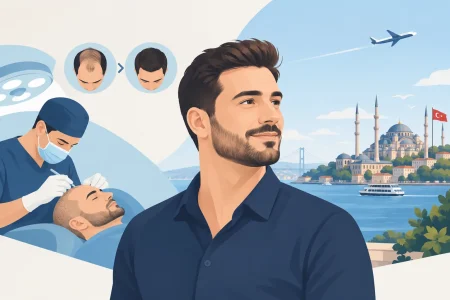
For international patients, the decision also involves practical questions: Which technique is right for me? How long should I stay in Turkey? What happens after I fly home? A well-organized treatment journey should answer those questions before you travel, not after.
Table of Contents
What Hair Restoration Can Address
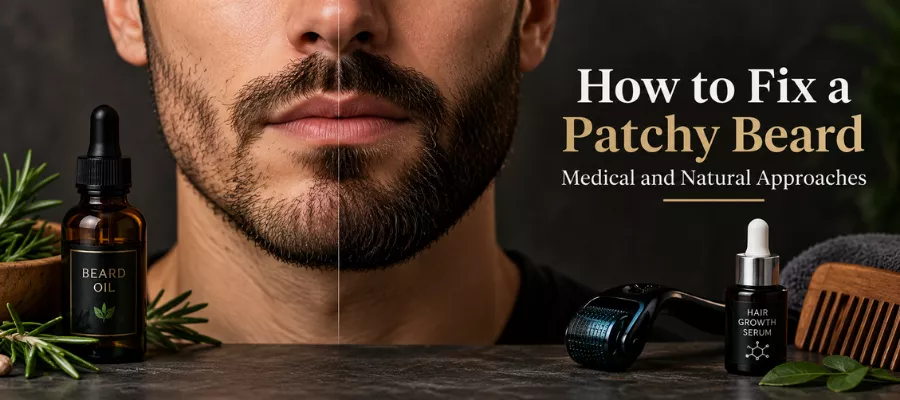
Hair restoration can be suitable for men and women with pattern hair loss, a receding hairline, thinning at the crown, or localized gaps caused by scarring or previous procedures. It can also help create fuller eyebrows or improve uneven beard growth. The right approach depends on the stability of your hair loss, the quality and density of your donor area, your medical history, and the look you hope to achieve.
In a transplant procedure, healthy follicles are generally taken from a donor area, usually the back and sides of the scalp, and placed into areas with thinning or no growth. These follicles are selected and positioned with attention to direction, angle, and density. That detail matters. A successful result should not look like a row of implanted hairs. It should complement the natural flow of your existing hair.
Not everyone needs the same level of coverage. A patient in their twenties with actively progressing hair loss may need a more conservative hairline design than someone with stable loss in their forties. A person seeking beard or eyebrow transplantation has different aesthetic priorities from someone restoring a crown. Your treatment plan should reflect that reality rather than follow a one-size-fits-all graft number.
Hair Restoration Techniques: FUE, DHI, and Sapphire
Several transplant methods may be discussed during your consultation. They share the same fundamental goal – moving viable follicles from a donor area to a recipient area – but the extraction and implantation process can differ.
FUE Hair Transplantation
Follicular Unit Extraction, commonly called FUE, involves removing individual follicular units from the donor area and preparing recipient channels before placement. It is widely used for hairline restoration, crown coverage, beard transplantation, and eyebrow work. FUE can be a strong option when a broad area needs to be addressed and the treatment plan calls for careful distribution of grafts.
The technique is not defined by speed alone. The quality of extraction, graft handling, channel design, and placement all influence the final appearance. During a proper assessment, the team should look beyond the visible thinning area and consider how to preserve the donor supply for the future.
Sapphire FUE
Sapphire FUE uses sapphire blades to create recipient channels. These blades can allow precise channel creation, helping the team plan the angle and direction of the implanted follicles. For patients, the key question is not whether one word sounds more advanced than another. It is whether the technique is appropriate for their scalp condition, hair characteristics, and desired density.
A sapphire approach may be recommended when precision in channel planning is a priority. However, it does not replace thoughtful medical planning or skilled execution. The expertise of the clinical team remains central to every technique.
DHI Hair Transplantation
Direct Hair Implantation, or DHI, uses a specialized implanter pen to place follicles into the recipient area. In some cases, this can offer close control over placement and may be particularly useful for refining hairlines or working between existing hairs. It is often chosen by patients who want a detailed approach in a focused area.
DHI is not automatically the best choice for every patient. The number of grafts needed, the size of the area, donor capacity, hair texture, and treatment goals all matter. A trustworthy recommendation explains why a technique fits your case instead of presenting it as a universal solution.
Your Treatment Plan Starts Before You Travel
A confident journey begins with an honest online consultation. Share clear photos of your hair from the front, sides, top, and donor area in good lighting. Your specialist can use these images to make an initial assessment of your hair loss pattern and discuss whether transplantation may be appropriate.
This is also the time to raise the questions that matter to you. Ask about the anticipated number of grafts, the proposed hairline design, the technique being considered, recovery instructions, and what your package includes. If you have medical conditions, take regular medications, smoke, or have had a previous hair transplant, disclose this information from the beginning. Good planning depends on a complete picture.
At Aslı Tarcan Global, international patients are supported through a coordinated process that can include treatment planning, airport and accommodation arrangements, clinic scheduling, and post-treatment guidance. That level of coordination can make a major difference when you are arranging care from the United States or another country. You should be able to focus on your treatment and recovery rather than manage every detail of an unfamiliar trip alone.
What Happens During Your Time in Turkey
Your in-person evaluation is an essential part of the process. The medical team reviews your donor area, examines the recipient area, confirms your plan, and discusses a hairline or density strategy that is realistic for your available grafts. This is your opportunity to ask final questions before treatment begins.
The procedure is typically performed under local anesthesia. Depending on the treatment area and graft count, it may take several hours. You may be awake, but the team should make sure you understand each stage and feel comfortable throughout the day.
Many international patients plan a stay that allows time for the procedure and an initial check before returning home. Your exact travel schedule should be personalized. Avoid scheduling a rushed departure without allowing for the aftercare instructions and follow-up that your team recommends.
Recovery Requires Patience, Not Guesswork
The first days after treatment are about protecting the newly placed follicles. You may experience temporary redness, swelling, tenderness, or small scabs. These effects are common, but your care team should explain how to wash the area, sleep comfortably, avoid friction, and use any prescribed medications.
For the first weeks, you will need to avoid activities that could disrupt healing, such as intense exercise, swimming, direct sun exposure, and anything that risks bumping or rubbing the recipient area. Follow the specific guidance you receive, as timelines can vary by procedure and individual recovery.
One point surprises many patients: transplanted hairs often shed after the early healing phase. This is a normal part of the growth cycle and does not mean the treatment has failed. New growth usually begins gradually over the following months. Visible improvement takes time, and fuller maturation can continue for up to a year or longer depending on the area treated and your individual growth pattern.
Photos taken at regular intervals can help you see progress more clearly. Daily mirror checks tend to magnify small changes, while consistent monthly photos provide a more realistic view of developing density.
How to Choose a Hair Restoration Provider Abroad
Affordability may be one reason Turkey is appealing, but it should never be the only reason you choose a provider. Look for transparent communication, individualized assessment, clear information about who performs each stage of care, and reliable support after you return home.
Ask whether the plan accounts for future hair loss. A dramatic low hairline may sound appealing now, but preserving a natural result over time is often the wiser goal. Ask how the team handles patients with limited donor supply, curly or Afro-textured hair, prior transplants, or scars. These circumstances require added experience and a tailored strategy.
You should also understand what is included in your journey. Travel coordination, accommodation support, transfers, medication guidance, follow-up communication, and recovery monitoring can reduce uncertainty for international patients. A provider that remains available after the procedure offers more than a treatment day – it offers continuity of care.
A Result That Feels Like You
The best hair restoration results are rarely the loudest. They are the ones that make friends say you look refreshed, rested, or somehow more confident without immediately knowing why. Natural design, appropriate density, and patience during recovery all contribute to that outcome.
If hair loss has been holding you back, start with a professional assessment and an open conversation about what is possible. Consult our specialists today, ask every question you have, and take the next step toward a treatment plan designed around your life, your travel needs, and the fresh new chapter you want to begin.