A small chip on a front tooth can change how freely you smile in photos, on video calls, or across the dinner table. When comparing veneers versus bonding, the right choice is rarely about choosing the “best” treatment overall. It is about choosing the material, preparation level, timeline, and long-term maintenance that fit your teeth and your goals.
For international patients planning dental treatment in Turkey, the decision also affects how long you should stay, how many appointments you may need, and what follow-up care will look like at home. A thoughtful smile plan begins with your natural tooth structure, bite, gum health, and the kind of change you want to see in the mirror.
Table of Contents
Veneers Versus Bonding: The Main Difference
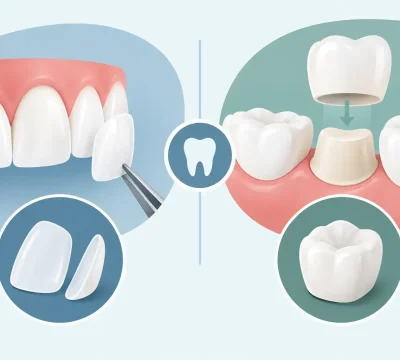
Dental bonding uses a tooth-colored composite resin that is shaped directly onto the tooth. Your dentist applies the material in layers, sculpts it to improve the tooth’s appearance, hardens it with a curing light, and polishes it. It can be an excellent option for small chips, uneven edges, minor gaps, and limited discoloration.
Veneers are thin custom shells, most often made from porcelain, bonded to the front surface of teeth. They are designed in a dental laboratory or with digital technology to create a planned change in shape, color, proportion, and symmetry. Veneers are often selected when a patient wants a more complete smile transformation across several visible teeth.
Both treatments can create beautiful, natural-looking results in the right hands. The practical difference is that bonding tends to be more conservative and easier to repair, while porcelain veneers generally offer greater stain resistance and longer-lasting color stability.
When Dental Bonding May Be the Better Choice
Bonding is often ideal when the concern is small and localized. A single chipped incisor, a slightly worn edge, a narrow gap, or an uneven tooth shape may not require a full veneer. Because the resin is placed directly on the tooth, little or no enamel removal may be needed in many cases.
This conservative approach appeals to patients who want to preserve as much natural tooth structure as possible. It can also be a practical first step for someone who wants to improve a few details now and consider a larger smile design later.
Another advantage is timing. Bonding can frequently be completed in one appointment, depending on the number of teeth and the complexity of the work. For travelers with a shorter stay, this may be helpful. Still, speed should never replace planning. The shade, bite, and finish need to be assessed carefully so the bonded tooth looks balanced next to your natural teeth.
Composite resin does have limitations. It can stain over time from coffee, tea, red wine, tobacco, and deeply colored foods. It may also chip or wear more easily than porcelain, especially for people who bite their nails, chew ice, or grind their teeth. Small repairs are usually straightforward, but bonding often needs polishing, touch-ups, or replacement sooner than veneers.
When Veneers May Be Worth Considering
Porcelain veneers are often chosen for a broader cosmetic change. They can help address persistent discoloration, uneven tooth size, visible wear, multiple chips, irregular shapes, and spacing that affects the overall appearance of the smile.
A well-planned veneer case is not simply about making teeth whiter. It is about creating proportion. Teeth should suit your face, lip line, gum display, age, and personal preferences. Some patients want a bright Hollywood-style smile, while others prefer a softer, more natural shade with subtle texture. Your treatment plan should reflect that choice rather than applying one standard look to every patient.
Porcelain has a smooth, enamel-like surface and tends to resist staining better than composite bonding. With conscientious care, veneers can remain attractive for many years. However, they are not maintenance-free or indestructible. They can crack, chip, or loosen, and they may eventually require replacement.
Traditional veneers commonly require some enamel reduction to make room for the porcelain and avoid a bulky appearance. That makes the treatment less reversible than bonding. Minimal-prep or no-prep options may suit certain teeth, but they are not appropriate for every smile. If teeth already project forward, for example, adding material without preparation can create an unnatural contour.
Durability, Repairs, and Everyday Care
For many patients, the practical question is not just “Which looks better?” but “Which will fit my life?” Bonding commonly lasts several years before it needs meaningful maintenance, while porcelain veneers may last a decade or longer with proper care. These are general ranges, not guarantees. Your bite, oral hygiene, diet, habits, and the quality of the original work all matter.
Bonding is easier to repair when a small chip occurs. A dentist can often add and polish composite resin without replacing the entire restoration. Porcelain repairs can be more complex. Minor surface issues may be polished or repaired in some situations, but a fractured veneer may need replacement to restore its appearance and strength.
Whether you choose veneers or bonding, daily care protects your investment. Brush twice a day with a non-abrasive toothpaste, floss carefully, keep regular dental checkups, and avoid using teeth as tools. If you clench or grind, a custom night guard may be strongly recommended. This is especially important after cosmetic dentistry because repeated pressure can damage both natural teeth and restorations.
The Role of Teeth Whitening and Smile Design
Whitening and bonding need to be planned in the right order. Composite resin does not whiten after it has been placed. If you want a brighter overall smile, your dentist may recommend whitening your natural teeth first, then matching the bonding shade to the new color.
Porcelain veneers also do not respond to whitening products once they are made. This makes shade selection one of the most important stages of veneer treatment. Choosing an extremely bright shade may look appealing initially, but it should still harmonize with your complexion, surrounding teeth, and desired level of naturalness.
For a full smile design, dentists may use photographs, digital scans, and mock-ups to show possible changes before treatment begins. This is particularly valuable for patients considering several veneers. It gives you a chance to discuss tooth length, shape, color, and symmetry before the final restorations are created.
Planning Veneers or Bonding During a Turkey Dental Trip
Traveling for dental care should never mean compressing essential clinical steps. Bonding may be completed quickly, but a larger case still deserves a proper examination, X-rays when indicated, gum assessment, and bite evaluation. Healthy teeth and gums are the foundation of cosmetic work.
Veneer treatment often requires more time because the dentist must prepare the teeth if needed, take detailed impressions or digital scans, place temporary veneers in many cases, and fit the final porcelain restorations after they are made. Some plans can be completed within a week, while more complex cases may require additional time. Your exact schedule should be confirmed after an online consultation and clinical review.
Patients also need to plan sensibly around travel. Avoid scheduling an immediate long-haul flight after a demanding dental appointment if you can give yourself time to rest. Keep room in your itinerary for final adjustments, particularly if you are receiving several veneers. A good treatment coordinator can help organize accommodation, transfers, appointment timing, and recovery planning so your trip feels supported rather than rushed.
At Aslı Tarcan Global, the goal is to help international patients move from consultation to treatment and follow-up with clear guidance at every stage. Before travel, share recent dental images, your health history, any past dental work, and realistic examples of the smile style you like. The more precise the initial conversation, the more personalized the plan can be.
How to Make the Right Choice
Choose bonding when your concern is relatively small, you want to preserve maximum enamel, you value easy repair, or you prefer a more modest initial investment. It can be a beautifully effective solution for the right tooth and does not need to be treated as a lesser option.
Consider veneers when you want a more comprehensive, highly customized change across multiple teeth, need stronger color stability, or have shapes and discoloration that bonding alone may not address as predictably. Be prepared for a more detailed planning process and recognize that veneers are a long-term commitment.
The best answer may also be a combination. A dentist might recommend veneers for a few front teeth and bonding for minor edge refinements elsewhere. If there is decay, gum disease, severe crowding, or an unstable bite, those issues should be treated before cosmetic improvements are finalized.
Your smile should feel like a more confident version of your own, not a treatment chosen in a hurry. Consult a qualified dental team, ask to see the proposed plan clearly, and choose the option that protects your oral health while helping you smile without holding back.