A smile can feel like the first thing people notice, especially when you are covering your mouth in photos, avoiding certain foods, or holding back a laugh. The right smile design options are not about creating one identical Hollywood look. They are about improving the color, shape, balance, and function of your teeth in a way that still feels like you.
For international patients, the decision also involves timing, travel, and trust. A thoughtful treatment plan should account for your dental health, facial features, expectations, and the number of days you can spend in Turkey. Whether you need a subtle refresh or a full restoration, the best place to begin is with an individualized assessment.
Table of Contents
What Does Smile Design Include?
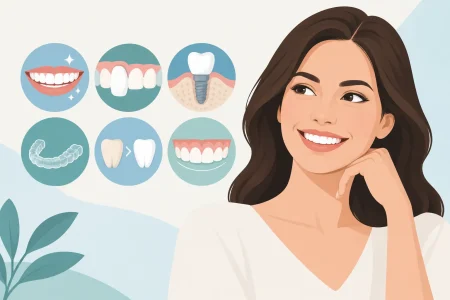
Smile design is a personalized approach to cosmetic and restorative dentistry. Rather than choosing veneers or whitening in isolation, your dentist considers how several elements work together: tooth color, size, alignment, gum visibility, bite, missing teeth, and the natural proportions of your face.
A smile that looks bright but feels uncomfortable when you bite is not a successful result. Likewise, a technically healthy restoration may not meet your goals if the shape or shade does not suit your appearance. Smile design brings aesthetics and oral health into the same conversation.
Your plan may involve one treatment or a combination of procedures. The appropriate choice depends on the condition of your natural teeth and gums, not simply on the result you see in an online photo.
Smile Design Options for Different Needs
Veneers for shape, color, and small gaps
Porcelain veneers are thin, custom-made shells placed on the front of teeth. They can improve the appearance of discoloration that does not respond well to whitening, uneven edges, minor spacing, worn enamel, and teeth that appear small or irregularly shaped.
Veneers can create a dramatic change while preserving a natural-looking result when their shade and proportions are selected carefully. However, they are not the answer for every concern. Teeth with extensive decay, significant fractures, or heavy bite pressure may need another restorative approach. Veneer preparation can also involve removing a small amount of enamel, so it should be planned with care.
Crowns for teeth that need more support
Dental crowns cover the entire visible portion of a tooth. They are often recommended when a tooth is severely damaged, weakened after root canal treatment, extensively filled, or too compromised for a veneer to provide reliable support.
Modern ceramic crowns can be designed to look highly natural, making them a valuable part of a smile makeover. The trade-off is that crowns generally require more tooth preparation than veneers. Their strength makes them a practical choice for some patients, particularly in areas that receive more chewing force.
Implants for missing teeth
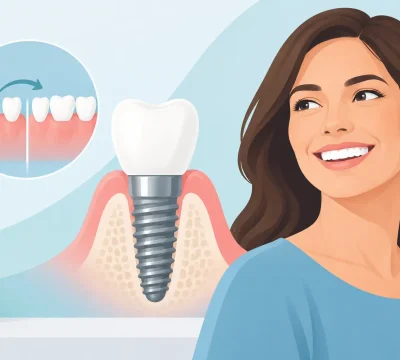
A missing tooth affects more than a smile line. It can change how you chew, allow nearby teeth to shift, and contribute to bone loss over time. A dental implant replaces the tooth root with a titanium post, which is then restored with a custom crown after healing.
Implants can be an excellent long-term solution, but they require healthy gums, sufficient bone, and a treatment timeline that allows for proper integration. In some cases, bone grafting or additional healing time is needed. This means implant-based smile design may involve more than one visit to Turkey, depending on your clinical needs and the treatment protocol recommended by your dental team.
Whitening for a lighter, refreshed smile
Professional teeth whitening can lift surface and deeper stains caused by coffee, tea, tobacco, or natural aging. It is often the least invasive way to refresh a smile when the teeth are healthy and well aligned.
Whitening is especially useful before choosing the shade of veneers, crowns, or bonding on visible teeth. Restorations do not whiten in the same way as natural enamel, so planning color first helps create a more consistent result. Whitening may not fully change stains caused by certain medications or internal tooth discoloration, which is where veneers or crowns may be considered.
Orthodontic treatment for alignment and bite
When crowding, spacing, or bite problems are the main concern, orthodontic treatment may be a better starting point than cosmetic restorations. Clear aligners and other orthodontic solutions can move teeth into a healthier position over time.
This route asks for patience, but it can reduce the need to reshape healthy teeth for cosmetic work. Some patients complete alignment first, then add whitening or limited bonding for finishing touches. Others have minor alignment concerns that can be addressed aesthetically with veneers. The right path depends on how much movement is needed and whether your bite is stable.
Gum contouring for balance
Sometimes the teeth are healthy, but the gumline makes them appear short, uneven, or hidden. Gum contouring can reshape the gumline to create better symmetry and reveal more of the natural tooth structure.
It is usually considered alongside veneers, crowns, or whitening when the gum-tooth balance affects the final appearance. Healthy gums are essential before any cosmetic procedure, so gum disease or inflammation must be treated first.
How to Choose Between Smile Design Options
The most beautiful result is usually the one that uses the least invasive treatment capable of meeting your goals. If whitening can achieve the improvement you want, there may be no reason to place veneers. If a tooth is structurally weak, however, choosing a veneer simply because it appears more conservative may not be the right clinical decision.
During a remote consultation, share clear photos, X-rays if available, your dental history, and an honest description of your expectations. Explain whether your priority is a brighter color, a straighter appearance, replacement of missing teeth, stronger chewing ability, or a complete smile transformation. This gives your treatment team a stronger starting point for your preliminary plan.
A final recommendation should be confirmed after an in-person examination. Your dentist may identify issues that photos cannot show, such as gum inflammation, old restorations, bite pressure, or hidden decay. This is not a setback. It is how a responsible plan protects both your health and your result.
Planning Your Dental Journey to Turkey
For many US patients, dental treatment in Turkey offers access to comprehensive care at a more accessible cost than comparable treatment at home. Yet affordability should never be the only reason to choose a provider. Ask how the clinic plans treatments, what materials are used, how hygiene standards are maintained, and what follow-up support is available after you return home.
At Aslı Tarcan Global, the journey begins with a free online consultation and continues with personalized planning, travel and accommodation coordination, treatment guidance, and recovery follow-up. This coordinated approach can reduce the stress of arranging a dental visit abroad while helping you focus on your treatment and your time in Turkey.
The number of days you need will depend on your procedures. Whitening and some cosmetic restorations may be completed within a shorter stay, while implant treatment and orthodontics often require a longer timeline or staged appointments. Avoid clinics that promise a one-size-fits-all schedule before reviewing your dental condition.
Questions Worth Asking Before You Decide
Before committing to treatment, ask to understand the recommended procedures and why they suit your teeth. You should also discuss the expected number of appointments, temporary restorations if needed, healing requirements, possible revisions, aftercare instructions, and what to do if you have concerns after flying home.
It is also wise to discuss your desired shade honestly. Very white teeth can look striking, but a softer shade may appear more natural against your skin tone and existing teeth. Your dentist can help you find a result that feels polished without looking artificial.
A well-designed smile should give you more than a better photo. It should help you speak, eat, laugh, and meet the world with greater ease. Consult our specialists today to begin a plan shaped around your health, your goals, and the confidence you want to carry home.