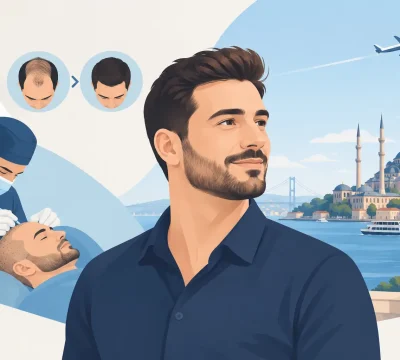
A treatment journey abroad should feel exciting, not uncertain. This international patient guide is designed for people traveling from the United States and other countries to Turkey for hair restoration, aesthetic surgery, dental care, eye treatment, or obesity surgery. The goal is not simply to book a procedure. It is to make informed choices, arrive prepared, and return home with the support needed for a confident recovery.
Turkey is a popular destination because it combines experienced medical teams, modern facilities, and accessible treatment costs. Still, price should never be the only deciding factor. The right journey is built around your health history, goals, recovery needs, and the quality of communication you receive before you travel.
Table of Contents
International Patient Guide: Start With the Right Questions
The first step is an online consultation. This is where you explain what you would like to improve, whether that is restoring a fuller hairline, addressing missing teeth, refining the shape of your nose, or reducing reliance on glasses. A care coordinator can request clear photos, relevant medical information, and details about prior procedures or medications.
Be open during this stage. If you smoke, have a chronic condition, take blood thinners, have allergies, or have had surgery in the same area before, your clinical team needs to know. Honest information helps determine whether a procedure is appropriate, how your treatment plan should be adapted, and what recovery may realistically involve.
Ask for clarity rather than broad promises. Your plan should explain the proposed procedure, expected treatment duration, recovery considerations, what is included in your package, and whether there are situations that could require an additional visit. For example, dental implants may require healing time before final restorations, while a hair transplant may be completed in one treatment day but needs patience before new growth becomes visible.
A good consultation also recognizes when expectations need adjustment. Facial surgery, veneers, and hair transplantation can create meaningful changes, but they should enhance your features and fit your anatomy rather than copy an image from social media. The most satisfying results are usually the ones planned with restraint, clinical judgment, and a clear understanding of what your body can safely support.
Choose Treatment Based on Your Timeline
Your available time in Turkey matters. Some treatments fit into a short visit, while others require a longer stay or a future return. Planning around recovery is especially valuable for international travelers, since you do not want to schedule a long flight before your care team considers it suitable.
Hair transplantation, including DHI, FUE, sapphire, Afro hair, beard, and eyebrow procedures, is often a practical option for patients who can stay long enough for treatment and early aftercare. The transplanted area requires careful handling during the first days, and visible shedding can occur before new hair begins to grow. Results develop gradually, commonly over several months.
Aesthetic surgery requires more breathing room. Rhinoplasty, breast surgery, facelifts, body contouring, and mommy makeovers each have different recovery patterns. Swelling, bruising, compression garments, wound care, and movement restrictions may be part of the process. You may feel ready to enjoy a quiet meal or short walk sooner than you are ready for sightseeing, strenuous activity, or a return to work.
Dental treatment also depends on the procedure. Whitening and certain cosmetic treatments can be comparatively quick. Smile design, crowns, and veneers may involve several appointments to ensure proper fit, bite, and appearance. Implant treatment can be more complex, particularly if bone grafting or staged healing is needed. A responsible plan prioritizes the long-term health and stability of your smile over rushing the final result.
For LASIK, cataract treatment, and other eye procedures, follow-up timing and travel clearance should be discussed in detail. Vision can fluctuate during early healing, and your care team should explain what to expect before you make flight arrangements.
Prepare for Travel Without Leaving Details to Chance
Once your treatment plan is confirmed, organize your travel around your medical schedule, not the other way around. Confirm passport validity, any visa requirements that apply to your nationality, flight details, hotel arrangements, and the expected length of stay. Keep copies of your itinerary, medical plan, medication list, and emergency contact information accessible on your phone and in print.
Pack for recovery, not just for photos. Loose, comfortable clothing can make a significant difference after surgery. Depending on your treatment, you may need button-front shirts, soft shoes, sunglasses, a neck pillow, or clothing that does not need to be pulled over your head. Ask your coordinator before departure what is appropriate for your specific procedure.
It is also wise to build in a small buffer. Flights can be delayed, and treatment times may shift slightly due to clinical assessments. Avoid scheduling major work commitments immediately after you return home. Giving yourself extra recovery time reduces pressure and lets you focus on healing.
At Aslı Tarcan Global, international patients are supported through the practical parts of the journey as well as the clinical plan. That can include coordinating travel and accommodation, arranging transfers, helping you understand your schedule, and ensuring you know who to contact when you have a question.
What Your Treatment Days May Look Like
Your arrival usually begins with an in-person assessment. This is not a formality. Your provider should confirm that the planned treatment remains suitable, review your medical information, and answer final questions before you consent to the procedure. If the team recommends a change for safety or clinical reasons, that conversation deserves your full attention.
Treatment days vary by specialty. A hair transplant can involve hairline design, donor-area preparation, graft extraction, and implantation. Dental care may include imaging, impressions or digital scanning, tooth preparation, and temporary restorations. Aesthetic surgery includes preoperative checks, anesthesia planning when needed, the procedure itself, and monitored recovery.
Do not hesitate to ask how pain management, anesthesia, hygiene, and aftercare are handled. You should also understand what sensations are normal after treatment and which symptoms require urgent contact. Reassurance is most useful when it comes with specific instructions.
Your coordinator should help keep the experience organized, but your role matters too. Follow fasting instructions, avoid alcohol or medications when advised, arrive on time, and keep your phone available. These small details protect your treatment plan and reduce avoidable stress.
Recovery Is Part of the Result
The procedure may be the milestone you traveled for, but recovery shapes the outcome. Your team should provide written aftercare instructions in a language you understand. Read them before leaving the clinic, and ask for clarification while you are still there.
For surgery, follow instructions on medications, sleeping positions, showering, movement, compression garments, and sun exposure. For dental care, you may need temporary dietary changes and careful oral hygiene. For hair restoration, washing technique and protection from friction are particularly important in the early days. For eye treatment, prescribed drops, protective measures, and scheduled reviews should be treated as essential, not optional.
Avoid comparing your recovery too closely with someone else’s. Swelling can last longer for one person than another. A dental adjustment may be needed even after a carefully planned restoration. Hair growth follows a biological cycle, not a fixed calendar. Your medical history, procedure scope, and adherence to aftercare all influence the experience.
Before you fly home, confirm that you have your medications, aftercare supplies, clinic documentation, and a clear contact method for follow-up questions. If you notice severe pain, increasing redness, fever, unusual bleeding, sudden vision changes, difficulty breathing, or any symptom your clinical team has identified as urgent, seek medical help promptly.
Stay Connected After You Return Home
Cross-border care should not end at the airport. Follow-up may happen through messages, photo updates, video consultations, or scheduled check-ins. These updates allow the care team to monitor healing, answer practical questions, and advise you when an in-person evaluation at home is appropriate.
Keep your local physician or dentist informed when necessary, especially if you have existing conditions or need continuing care. Your treatment abroad and routine care at home should support each other. Bring copies of your treatment records to future appointments.
The best time to begin is when you can give the journey the attention it deserves. Consult our specialists, share your goals honestly, and let a personalized plan turn travel for treatment into a well-supported step toward renewed confidence and comfort.