A hair transplant is not simply a cosmetic booking. It is a decision about your appearance, donor hair, recovery time, and long-term confidence. Knowing how to choose hair transplant treatment means looking beyond attractive before-and-after photos and asking whether the plan is genuinely designed for your hair loss pattern, goals, and future.
For international patients, the decision also includes travel, communication, accommodation, and follow-up after returning home. The right provider should make these details feel clear and supported, not like extra problems for you to solve alone.
Table of Contents
Start With Your Hair Loss, Not a Procedure Name
FUE, DHI, sapphire, and other techniques can all be valuable, but none is automatically the best choice for every person. A successful transplant starts with an honest assessment of your scalp, donor area, hair type, age, medical history, and the direction your natural hair loss may take over time.
The donor area is usually the back and sides of the scalp, where follicles tend to be more resistant to hair loss. Its density and quality influence how many grafts can safely be harvested. If a clinic promises a very high graft number without carefully reviewing your donor area, be cautious. Taking too much hair may leave the donor area visibly thin and can limit options for future procedures.
Your hairline also deserves thoughtful planning. A low, dense hairline may look appealing in a photo, but it can become unnatural as you age or if hair loss continues behind it. The best design is one that fits your facial proportions and preserves a natural appearance for years to come.
Consider whether treatment is right for you now
Hair transplantation can restore areas affected by pattern baldness, receding hairlines, thinning crowns, scars, and selected beard or eyebrow gaps. It is not a cure for ongoing hair loss, however. If hair loss is active, your medical team may recommend stabilizing it first or choosing a more conservative design.
You may also need to wait if your hair loss began suddenly, if you have an untreated scalp condition, or if the cause is unclear. A responsible consultation does not rush every person into surgery. Sometimes the safest recommendation is to investigate the cause, protect existing hair, and revisit transplantation when the timing is right.
How to Choose Hair Transplant Methods That Fit Your Goals
The names of hair transplant techniques can sound confusing, especially when clinics present one method as superior in every situation. In reality, the best method depends on your needs and the clinical plan.
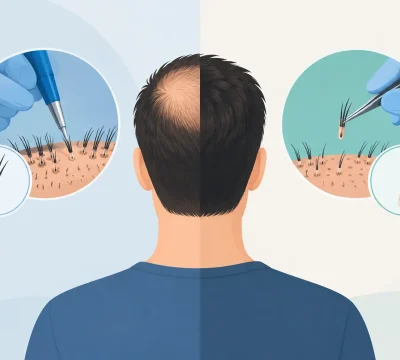
FUE, or Follicular Unit Extraction, involves removing individual follicular units from the donor area and placing them into recipient sites. It is widely used because it does not create a long linear scar and can work well for many scalp restoration goals.
Sapphire FUE uses sapphire blades to create recipient channels. The precision of channel creation can support careful control of the angle, direction, and density of implanted grafts. It may be a suitable choice when natural-looking placement across a larger area is needed.
DHI, or Direct Hair Implantation, uses a specialized implantation tool to place grafts. It can be helpful for detailed work, including hairline refinement or placement between existing hairs. Yet DHI is not automatically better than FUE or sapphire FUE. The surgeon’s planning, the quality of graft handling, and the team’s experience matter far more than a label.
If you have tightly curled or Afro-textured hair, seek a team experienced in Afro hair transplantation. Curly follicles can curve beneath the skin, which makes extraction and placement more technically demanding. The same principle applies to beard and eyebrow restoration, where the angle and direction of each hair have a major effect on whether the result looks natural.
Ask your provider why a method is recommended for you specifically. A clear answer should connect the technique to your donor capacity, hair texture, thinning pattern, desired coverage, and recovery expectations.
Look Closely at Who Plans and Performs the Procedure
A polished clinic website is not proof of clinical quality. Ask who will evaluate your case, design your hairline, extract grafts, open channels, and implant the grafts. You deserve clarity about the roles of the physician and the clinical team.
During a proper online consultation, the team should request clear photos of your hairline, crown, sides, and donor area in good lighting. They should ask about prior transplants, medications, health conditions, smoking, allergies, and your expectations. This assessment helps determine whether you are a suitable candidate and what type of result is realistic.
Be wary of guarantees that sound too certain. Hair growth depends on individual healing, graft survival, existing hair loss, scalp health, and aftercare. A trustworthy provider can discuss expected outcomes without promising an identical result for every patient.
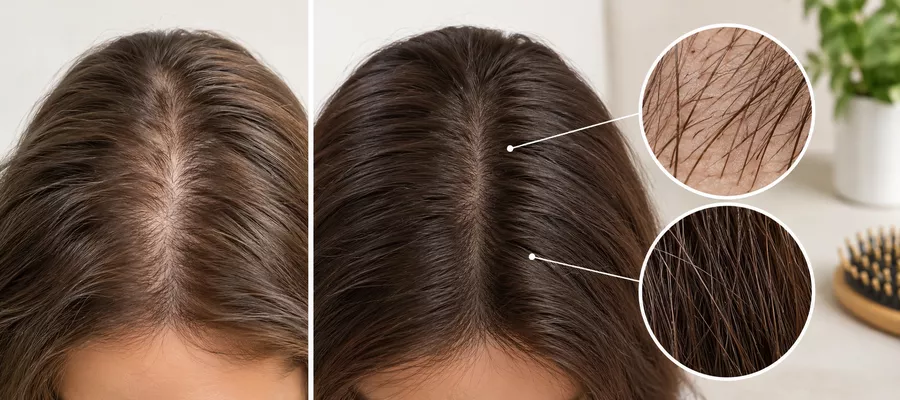
Before-and-after images are useful when they show consistent lighting, multiple angles, and results at several stages of growth. Look for patients with a hair type and hair loss pattern similar to yours. A one-month photo cannot show a final result, since transplanted hair commonly sheds before regrowth begins.
Compare the Full Treatment Journey, Not Just the Price
Turkey is a popular destination for hair restoration because patients can access experienced teams and competitive pricing. Still, choosing based only on the lowest advertised package can create unnecessary risk. Your quote should explain what is included and what requires an additional payment.
For an international patient, a well-organized treatment journey may include airport transfers, hotel arrangements, translation support, pre-procedure consultation, medications or aftercare materials, and recovery guidance. These services are not just convenient. They reduce stress when you are in a new country and help you focus on healing.
Ask how long you should remain in Turkey after the procedure and whether the schedule allows enough time for an initial check. You should also know what support is available once you return to the United States. Reliable follow-up matters because questions often arise during washing, shedding, swelling, and the first months of regrowth.
At Aslı Tarcan Global, international patients can receive individualized planning that brings clinical care, travel coordination, and recovery monitoring into one supported experience. The goal is not simply to arrange a procedure, but to help you feel informed and cared for from your first consultation through your return home.
Understand Recovery Before You Commit
A hair transplant requires patience. Most patients can return to gentle daily activities relatively soon, but the first days require careful protection of the grafts. You may experience temporary redness, swelling, scabbing, or tenderness in the donor and recipient areas.
Your provider should give you written instructions for sleeping position, washing, touching the scalp, exercise, sun exposure, hats, alcohol, smoking, and travel. Follow these instructions closely. Small choices during the early recovery period can affect comfort and graft protection.
It is also normal for transplanted hairs to shed in the weeks after surgery. This is often called shock shedding and does not necessarily mean the grafts have failed. New growth usually begins gradually over several months, while fuller maturation can take 12 months or longer. Crown areas may take additional time to show their final density.
If you are planning a major event, do not schedule treatment expecting instant visible density. Give yourself enough time for the healing and growth process. This is a long-term investment in your appearance, not a next-week transformation.
Questions Worth Asking in Your Consultation
A good consultation should leave you with practical answers, not pressure. Ask how many grafts are recommended and why, how your donor area will be protected, and whether you may need future treatment if hair loss progresses. Confirm which technique is advised, who performs each stage of the procedure, and what aftercare is included.
You should also ask for a realistic timeline, details of the travel plan, and a clear point of contact after you return home. If an answer feels vague, rushed, or focused only on a discount, keep looking. Feeling respected and properly informed is part of choosing the right care.
The most reassuring choice is a team that sees more than the area you want to fill today. Choose a plan that respects your natural hair, future needs, safety, and confidence – then give yourself the time and support to enjoy the fresh chapter ahead.