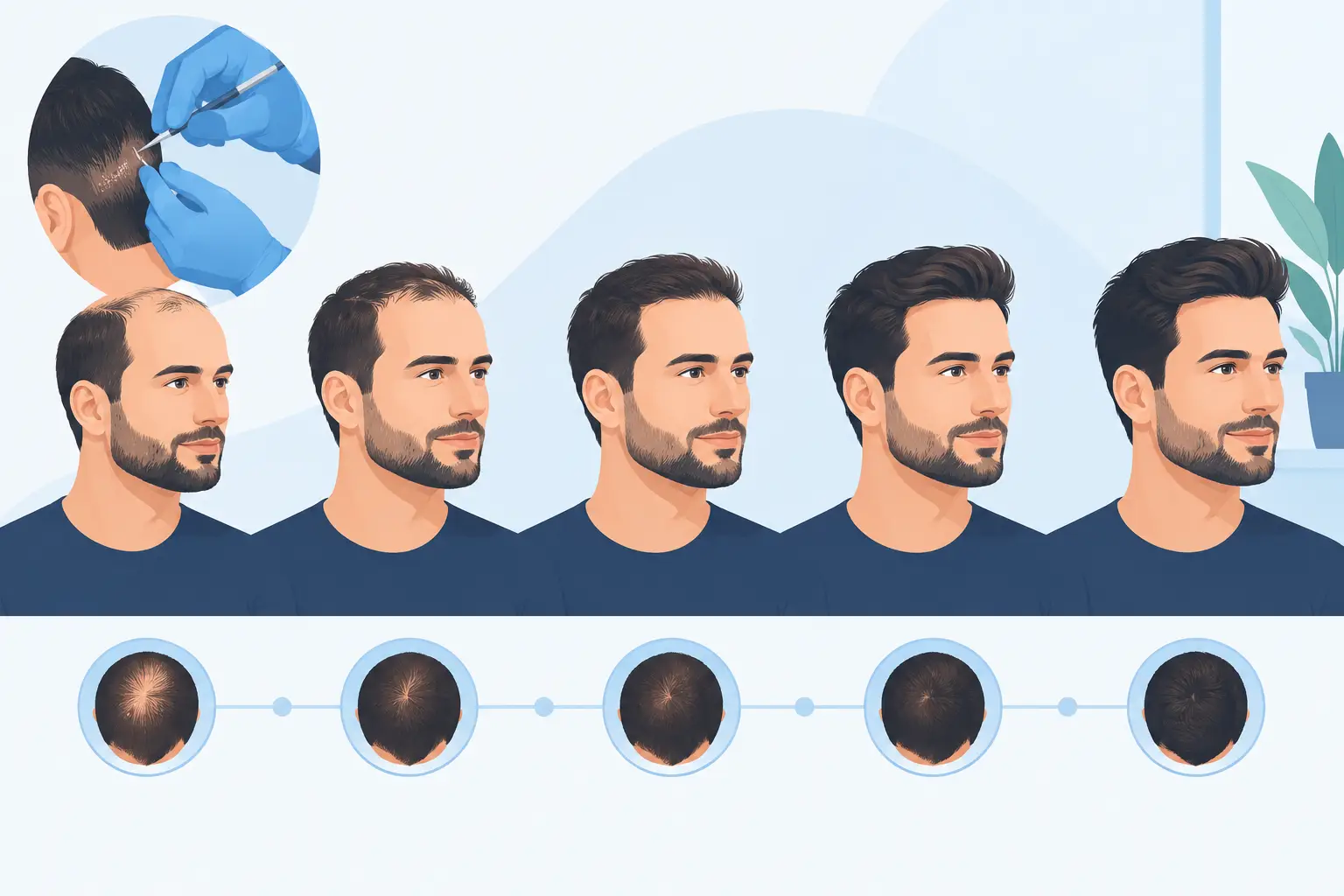
A treatment abroad should feel planned, personal, and reassuring – not like a leap into the unknown. This Turkey medical travel guide is designed for US patients considering hair restoration, cosmetic surgery, dental care, eye treatment, or obesity surgery in Turkey and wanting a clear view of what happens before takeoff, during treatment, and after returning home.
Turkey attracts international patients for a practical reason: many elective procedures can be more accessible than in the US while still being delivered by experienced medical teams. But price should never be the only reason to travel. The right experience depends on clinical suitability, transparent planning, hygiene standards, realistic expectations, and support that continues after your procedure.
Table of Contents
Why Patients Choose Turkey for Elective Care
For many people, a hair transplant, smile makeover, rhinoplasty, or body procedure is not simply a medical appointment. It can be a meaningful step toward feeling more comfortable in photos, enjoying everyday life with less self-consciousness, or addressing a concern that has followed them for years.
Turkey offers a broad range of elective treatments, including DHI, FUE, sapphire, Afro, beard, and eyebrow transplantation; dental implants, veneers, crowns, and smile design; rhinoplasty, breast procedures, body contouring, and facelifts; LASIK and cataract care; and obesity surgery. This concentration of services can make it easier to find a treatment path tailored to your goals.
The trade-off is that traveling for care requires more preparation than booking a local appointment. You will need to account for flight timing, the number of days required in Turkey, hotel comfort, recovery limitations, and when it is appropriate to fly home. A trustworthy provider helps organize these details around the procedure rather than leaving you to solve them alone.
Turkey Medical Travel Guide: Start With a Real Consultation
Your journey should begin long before you book a flight. A proper online consultation allows the medical team to understand your goals, review suitable photos or health information, and discuss whether the requested procedure is appropriate for you.
For hair transplantation, that may mean assessing the donor area, hair-loss pattern, hair texture, and desired hairline. For dental treatment, the team may need X-rays or recent dental records to estimate whether implants, crowns, veneers, or another approach is suitable. For aesthetic surgery, your consultation should cover your medical history, prior procedures, expectations, and the recovery time you can realistically commit to.
Be direct about medications, allergies, smoking, chronic conditions, prior surgeries, and any concerns about anesthesia. These details are not obstacles to hide. They help the medical team plan safely and may influence the procedure, timing, or whether treatment should be postponed.
A good consultation also gives you permission to ask specific questions. Who will perform the procedure? What is included in the treatment plan? How many nights should you stay? What discomfort, swelling, or activity restrictions are likely? What support is available once you are back in the US? Clear answers build confidence. Vague promises should prompt more questions.
Choose a Plan, Not Just a Procedure
A procedure name alone does not tell you what your experience will be. Two patients can both book a hair transplant or dental implant treatment yet need very different plans based on their anatomy, health, goals, and available recovery time.
Ask for an individualized treatment plan that explains the recommended procedure, the expected number of treatment days, accommodation needs, transfers, required tests, medication guidance, and follow-up process. Confirm what is included and what may create an additional cost. This is especially important for multi-stage care, such as dental implants that may require healing time before final crowns, or larger aesthetic procedures that need a longer stay and more careful recovery monitoring.
Results also have timelines. Hair transplantation requires patience as transplanted hairs go through a normal shedding and regrowth cycle. Swelling after facial or body surgery can take time to settle. Dental restorations may require adjustments as you adapt to your new bite. The best plan supports a natural-looking, healthy outcome rather than promising instant perfection.
Plan Your Travel Around Recovery
Your itinerary should protect your recovery, not compete with it. It is tempting to treat a medical trip like a packed vacation, but the first days after treatment are for rest, checkups, and following instructions.
Book your flights only after the treatment schedule is confirmed. Depending on the procedure, you may need to arrive a day before treatment for an in-person consultation or tests. You may also need to remain in Turkey for several days afterward so the team can monitor early healing, perform dressings or checks, and confirm you are ready to travel.
Choose comfortable, practical clothing. Button-front or zip-front tops can be helpful after hair treatment or facial surgery when you should avoid pulling clothing over the treatment area. Bring any personal medications in their original containers and keep essential documents, prescriptions, and contact information in your carry-on.
It is wise to travel with a companion for more involved procedures, particularly if you expect limited mobility or need help during the first night. That said, many patients travel alone for treatments with shorter recovery periods when they have coordinated transfers, accommodation, and access to a responsive patient coordinator.
What High-Touch Support Should Look Like
International care feels much easier when one team coordinates the moving pieces. Rather than separately arranging a clinic, hotel, airport transport, and post-treatment instructions, look for a provider that gives you a connected patient journey.
At Aslı Tarcan Global, that journey is built around free online consultation, personalized treatment planning, travel and accommodation coordination, treatment support, recovery monitoring, and post-treatment follow-up. The goal is not to rush you through a procedure. It is to help you feel informed and looked after at every stage.
Friendly communication matters as much as logistics. You should know who to contact if your flight is delayed, if you have a question about medication, or if you are unsure whether a change in swelling is normal. For international patients, multilingual support can remove another layer of stress and help ensure instructions are understood correctly.
Protect Your Health With Smart Questions
Medical travel requires informed consent, not blind trust. During your planning, ask about the clinic environment, infection-control practices, medical assessments, anesthesia arrangements when applicable, and the credentials and role of each professional involved in your care.
Avoid making a decision based solely on dramatic before-and-after photos or a limited-time offer. Images can be useful, but they do not replace a discussion of candidacy, risks, recovery, and likely outcomes for your individual case. Every procedure carries potential complications, and no ethical provider can guarantee a particular result.
Before leaving Turkey, make sure you understand your written aftercare instructions. Know which activities to avoid, how to care for the treated area, when to take prescribed medications, and when to contact the team. If you are having surgery, ask about warning signs that need urgent medical attention after you return home. Arrange follow-up with your local physician when your treatment plan or health needs call for it.
Let Your Schedule Set Realistic Expectations
The right treatment date is one that gives you enough time to recover without pressure. Patients often underestimate how visible early healing can be. You may feel well enough to move around, yet still have bruising, swelling, redness, tenderness, or restrictions that make work meetings, social events, or long flights uncomfortable.
Give yourself breathing room before an important wedding, job interview, family event, or beach vacation. For many treatments, the visible recovery period is only part of the process. Final results may continue developing over weeks or months. Planning with patience protects both your comfort and your expectations.
Your treatment journey can be a fresh new chapter, but it should begin with sound information and personal care. Consult specialists who listen to your goals, explain your options honestly, and stay close through recovery so you can return home feeling supported, prepared, and ready to enjoy your renewed confidence.