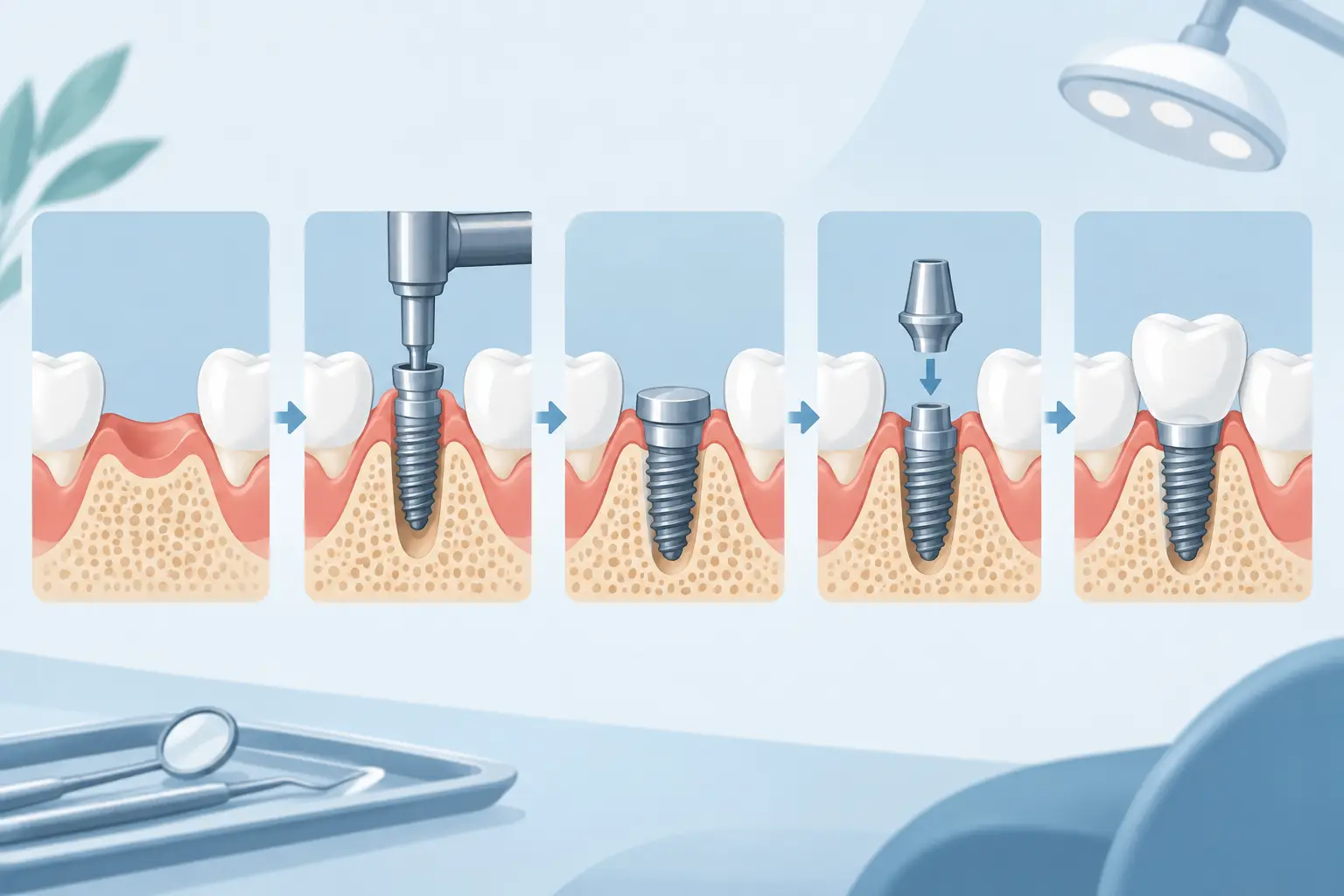
A lower quote can make an overseas procedure feel tempting, but surgery is never a purchase to make on price alone. If you are asking, is Turkey safe for surgery, the honest answer is that it can be – when you choose a properly qualified team, a licensed facility, and a care plan that does not end when you leave the operating room.
Turkey treats a large number of international patients every year for hair restoration, aesthetic surgery, dental treatment, eye care, and weight-loss procedures. Its established medical tourism sector gives many travelers access to experienced specialists and modern private hospitals at a cost that may be more accessible than comparable treatment in the United States. Yet the quality of care is not identical at every provider. Your research, medical suitability, and aftercare arrangements matter as much as the destination itself.
Table of Contents
Is Turkey Safe for Surgery? The Real Answer
Turkey is not automatically safe or unsafe for surgery simply because it is Turkey. Surgical safety depends on the same fundamentals that matter at home: the credentials of the surgeon, the standards of the clinic or hospital, appropriate anesthesia and infection-control protocols, honest patient screening, and reliable follow-up.
The strongest medical tourism providers coordinate those details into one journey. They should be willing to discuss who will perform your procedure, where it will take place, what your recovery may involve, and what happens if you need medical attention after treatment. If a provider avoids specific questions, pressures you to book quickly, or promises a perfect result without a consultation, treat that as a warning sign.
Traveling for treatment adds practical considerations. You may be away from your regular doctor, managing a recovery in unfamiliar surroundings, and flying home before you feel fully back to normal. That does not make treatment abroad inherently risky. It means your plan needs to be more deliberate.
Start With the Surgeon and Facility
A polished website, attractive package, or social media gallery is not proof of clinical quality. Ask for the full name of the doctor who will lead your treatment and verify their specialty, experience, and professional registration. For surgical procedures, you should understand whether your consultation and operation will be handled by the same physician and which members of the clinical team will support them.
The facility matters just as much. Ask whether the procedure will take place in a licensed hospital, surgical center, or clinic, and whether it has the equipment and staff appropriate for your treatment. A hair transplant, dental implant, rhinoplasty, and tummy tuck have very different clinical requirements. The setting should match the procedure, not merely the convenience of a package.
For treatments involving sedation or general anesthesia, ask who provides anesthesia, how you will be monitored, and what emergency protocols are in place. Responsible providers welcome these questions because informed patients are better prepared patients.
Hygiene Is More Than a Clean-Looking Room
International patients often ask about hygiene because infection prevention is understandably one of their biggest concerns. Look beyond photographs of white interiors. A serious provider should explain its sterilization practices, use of single-use materials where appropriate, preoperative testing or assessments, and postoperative wound-care instructions.
You should also be screened honestly. A provider should ask about medications, allergies, smoking or nicotine use, previous operations, chronic health conditions, and your medical history. If no one asks these questions before recommending surgery, the treatment plan is not sufficiently individualized.
Choose a Plan, Not Just a Procedure
The safest treatment is one that is appropriate for your anatomy, health, goals, and recovery capacity. This is especially relevant when traveling for elective procedures. A patient may want several treatments during one visit, but combining procedures is not always advisable. More treatment does not always mean a better outcome.
A thorough online consultation should cover your goals, medical background, expected result, limitations, likely recovery timeline, and any tests needed before you travel. It should also give you room to reconsider. Ethical medical guidance includes the possibility that a procedure should be delayed, changed, or declined.
For example, a patient seeking dental implants may need time for healing before receiving final restorations. A patient considering body contouring may need to reach a stable weight first. A hair transplant candidate may need realistic guidance about donor availability and future hair loss. The right plan protects both your health and the natural-looking result you hope to enjoy.
Understand the Full Cost Before You Travel
Affordability is one reason many Americans consider surgery in Turkey, but a low headline price can hide important gaps. Before making a deposit, request a written treatment plan that clearly explains what is included and what may cost extra.
For a surgical journey, clarify whether the price includes medical examinations, anesthesia, operating-room fees, hospital stay if needed, prescribed medications, compression garments or supplies, accommodation, airport transfers, interpreter support, and follow-up appointments. Also ask about revision policies and what support is available if a complication occurs.
The goal is not to find the cheapest offer. It is to understand the value of the care you are receiving. A transparent plan lets you compare providers fairly and avoid decisions made under pressure once you have arrived.
Allow Enough Time to Recover
One of the most common mistakes in medical travel is treating recovery as an afterthought. You may feel well enough to walk around after some procedures, but that does not mean you are ready for sightseeing, strenuous activity, long flights, or work obligations.
Your clinical team should advise you on the recommended length of stay based on your procedure and health profile. This varies considerably. Some dental treatments and hair procedures may allow a shorter stay, while major body surgery, facial surgery, or procedures involving general anesthesia require more careful monitoring and a longer recovery window.
Plan for rest, easy access to your care team, and a calm place to recover. Avoid scheduling an immediate return flight simply because it is cheaper. You should also discuss travel-related risks, including the possibility of blood clots after surgery and long-haul flying. Your surgeon can give individualized guidance on movement, hydration, compression, medications, and when it is medically appropriate to travel.
Aftercare Is a Safety Feature
A procedure does not become safe solely because the operation went smoothly. Good outcomes depend on how healing is monitored in the days and weeks that follow. Before you book, ask exactly how aftercare works once you return to the United States.
You should receive clear written instructions, a way to contact the care team with questions, and guidance on symptoms that require urgent attention. Ask whether remote follow-up is available and whether your provider can communicate with your local physician if needed. Keep copies of your operative notes, treatment details, medication information, imaging, and relevant test results for your records.
At Aslı Tarcan Global, coordinated patient support is designed to extend from the initial consultation through recovery monitoring, helping international patients feel informed rather than left to manage a complex trip alone. Still, every patient should understand that no provider can guarantee a specific result or remove every surgical risk.
Questions Worth Asking Before You Book
A good consultation should leave you with clear answers, not vague reassurance. Ask who your surgeon is, where your treatment will occur, what qualifications the team holds, and what your personal recovery timeline looks like. Confirm the total expected cost, what is included, and how complications or unexpected changes to the treatment plan would be handled.
Ask, too, what you should do after returning home. If the answer is simply “message us if you need anything,” request more detail. You deserve a concrete aftercare pathway, including contact options, follow-up timing, and instructions for seeking urgent local care.
Finally, listen to your own comfort level. A trustworthy provider will give you time to review information, ask questions, and make a decision without urgency. Confidence should come from clarity, not sales pressure.
The right time to travel for surgery is when your questions have real answers, your expectations are grounded, and your recovery has been given the same care as your procedure. Consult qualified specialists, bring your full medical history to the conversation, and choose a team that helps you move toward your next chapter with care and confidence.